
Solar Powered Grain Store
Rob Brown • June 15, 2023
Imagine being able to run your grain handling system, almost completely free of any energy costs. That’s exactly what this customer will be able to do, having just installed 418 solar panels to their new 25m wide grain store.
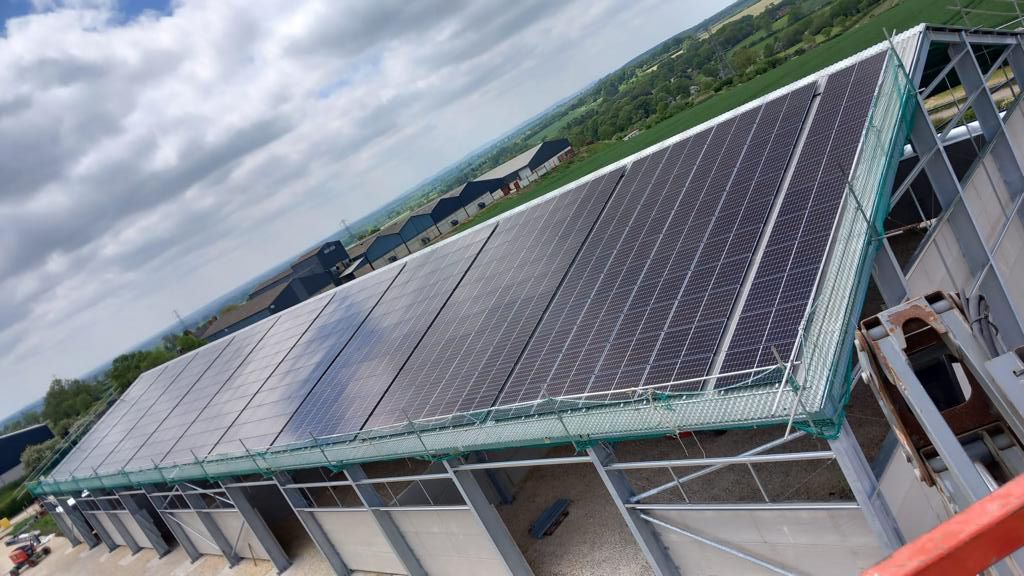
Teaming up once again with Teesdale Renewables, they have been able to install the panels using the edge protection and netting already in place for our team installing the roof, meaning a smooth transition of work and saving costs on the installation.
The building is the third one we have erected on this site, but the first to include the solar panels.
To find out more about including solar on your next build, please get in touch.
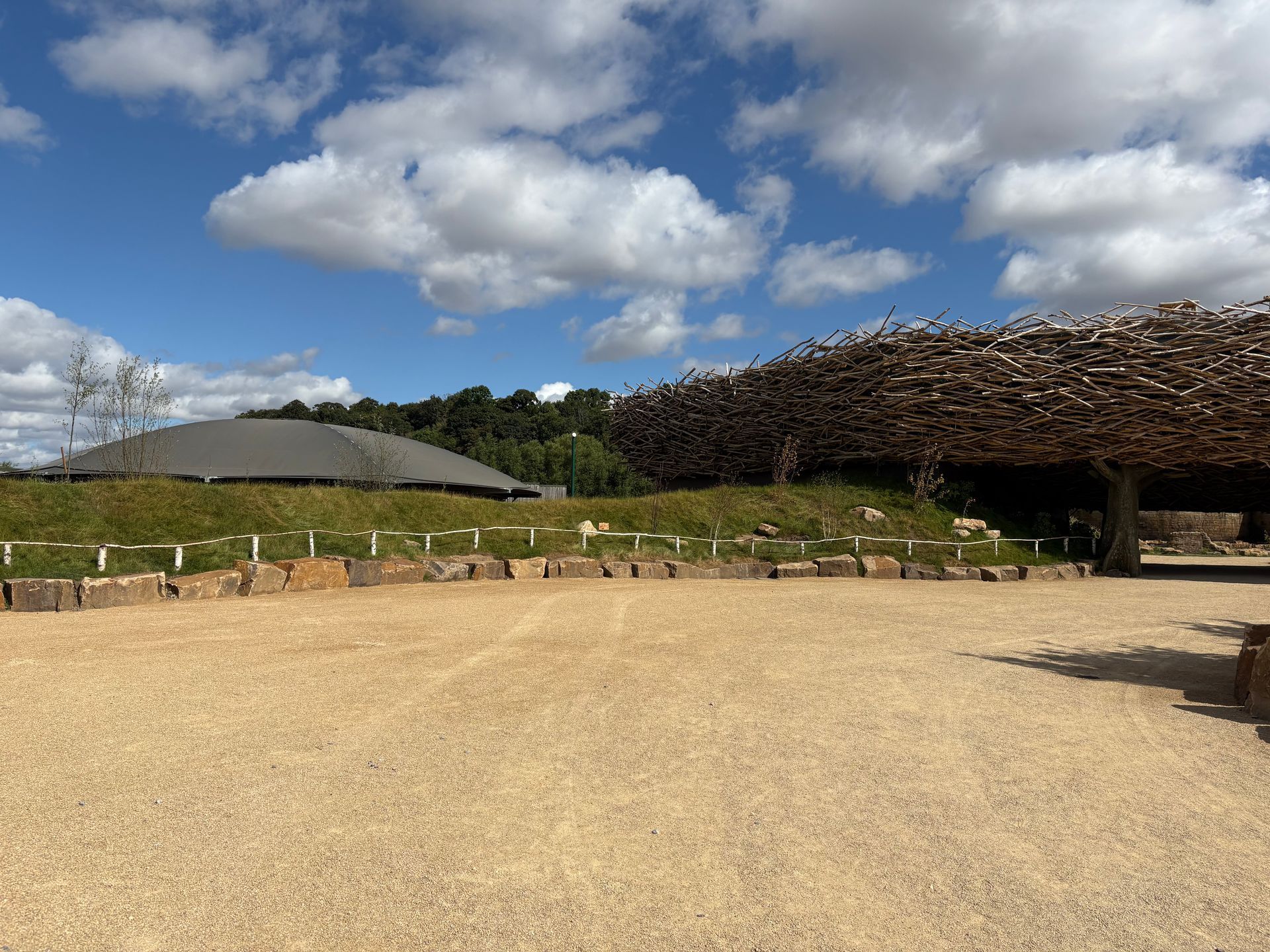
S&A Fabrications is proud to have played a major role in the latest development at Kynren, supplying and erecting the structural steelwork behind a number of the spectacular new structures created for Kynren – The Storied Lands .
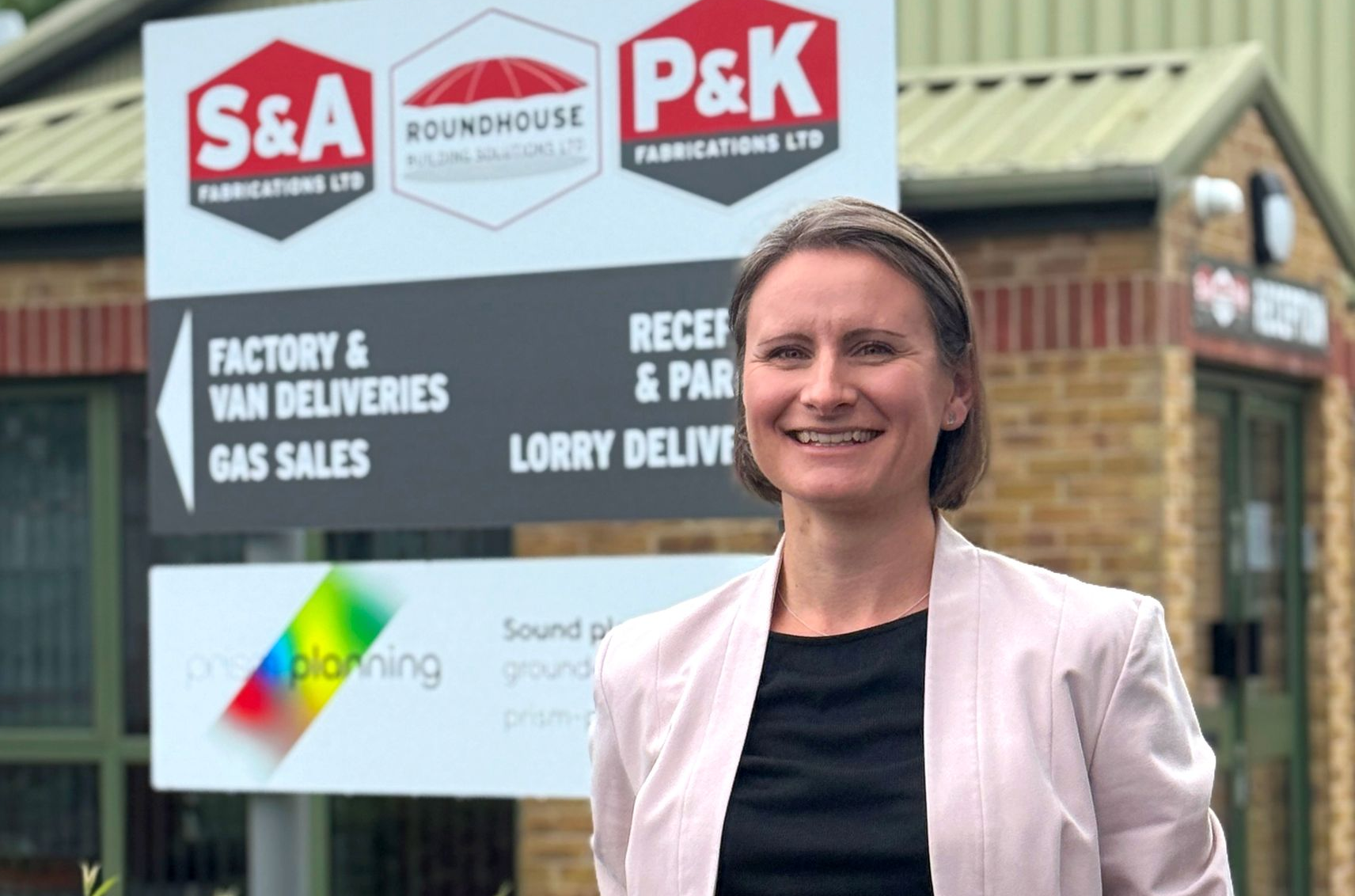
We’re pleased to welcome Sophie Gooch as the new Director of Prism Planning , bringing 19 years of planning and environmental experience to the business. Prism Planning became part of the P&K Group in 2026 and continues to operate as an independent planning consultancy, working with clients and project teams across a wide range of sectors. Its position within the Group also provides access to wider design, fabrication and construction expertise where that can add value to a project.

At S&A Fabrications, we're proud to support initiatives that make a genuine difference to young people and communities, both locally and further afield.
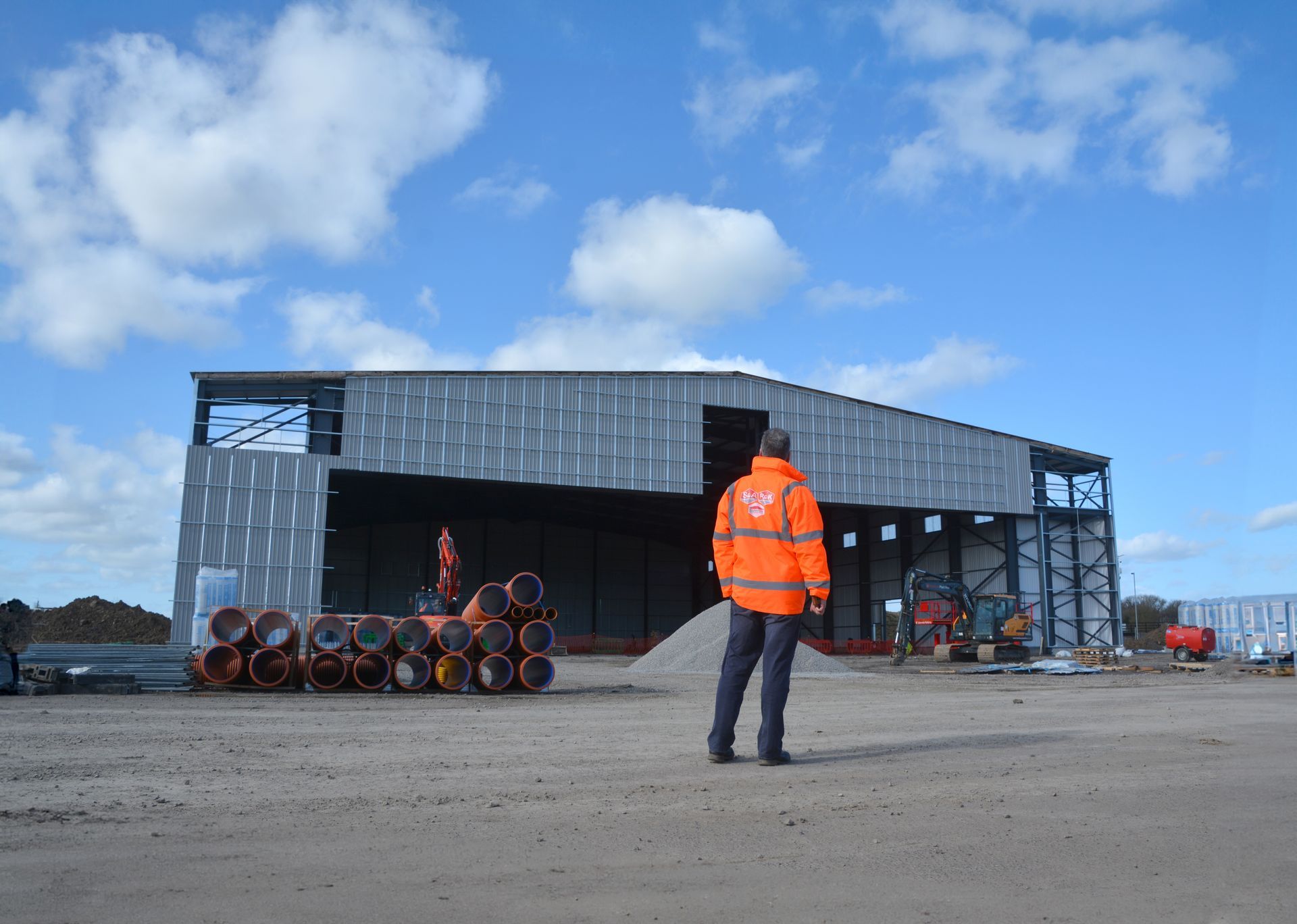
Following our recent update on steel market volatility, further changes are now set to impact pricing across the UK from July 2026. These developments are driven by a combination of government policy and ongoing supply-demand imbalance. The UK’s Ongoing Steel Shortfall The UK continues to use significantly more steel than it produces domestically. On average: UK production sits at around 5–6 million tonnes per year Demand typically reaches 9–11 million tonnes per year This gap means the UK relies heavily on imported steel to meet demand—often accounting for around half of total supply. New Import Tariffs and Quotas From 1 July 2026 , new government measures will tighten control over steel imports: Import quotas (the volume allowed in without penalties) will be reduced Any steel imported above these quotas will face a 50% tariff These changes are designed to limit the volume of low-cost steel entering the UK market and to support domestic producers. What This Means for Prices Because the UK cannot meet its own steel demand: Businesses will still need to import steel However, those imports will now be more expensive and more restricted At the same time: UK producers will face less competition from cheaper overseas steel This is likely to contribute to higher overall market prices In short, the cost pressures are coming from both sides—restricted supply and increased import costs. The Wider Context These policy changes are part of a broader strategy to: Protect the UK steel industry from underpriced global competition Maintain domestic steel production capacity Support jobs and long-term supply resilience While these are important long-term goals, the immediate effect is expected to be price increases across the supply chain . What This Means for Our Customers At S&A Fabrications, we are continuing to: Monitor market conditions closely Work with our supply chain to manage cost increases where possible Provide transparent updates so you can plan ahead with confidence Summary To recap: The UK does not produce enough steel to meet demand Imports are becoming more expensive due to new tariffs and tighter quotas This combination is expected to drive steel prices up from July 2026 We’ll continue to keep you informed as the situation develops and will share any further updates as they arise.
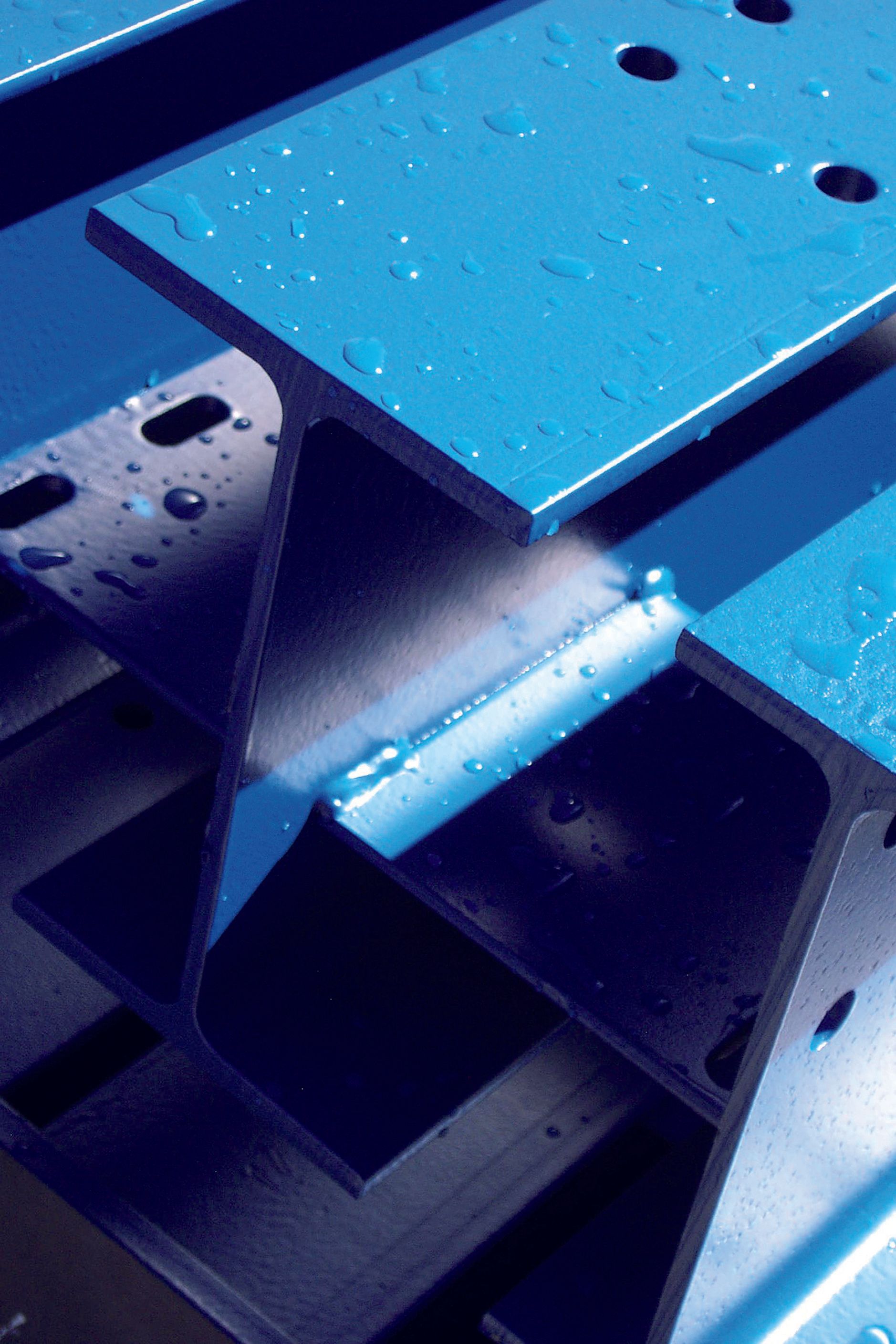
If you’ve noticed steel prices creeping up recently, you’re not alone so we thought it was worth explaining what’s going on, in plain English. There’s no panic here, but there are some real factors behind the scenes that are affecting costs across the UK. The biggest one? Energy. Put simply, it costs more to make steel in the UK than it does in much of Europe, largely because electricity prices are higher. And because steel production uses a lot of energy, those costs inevitably feed through into the price of materials.
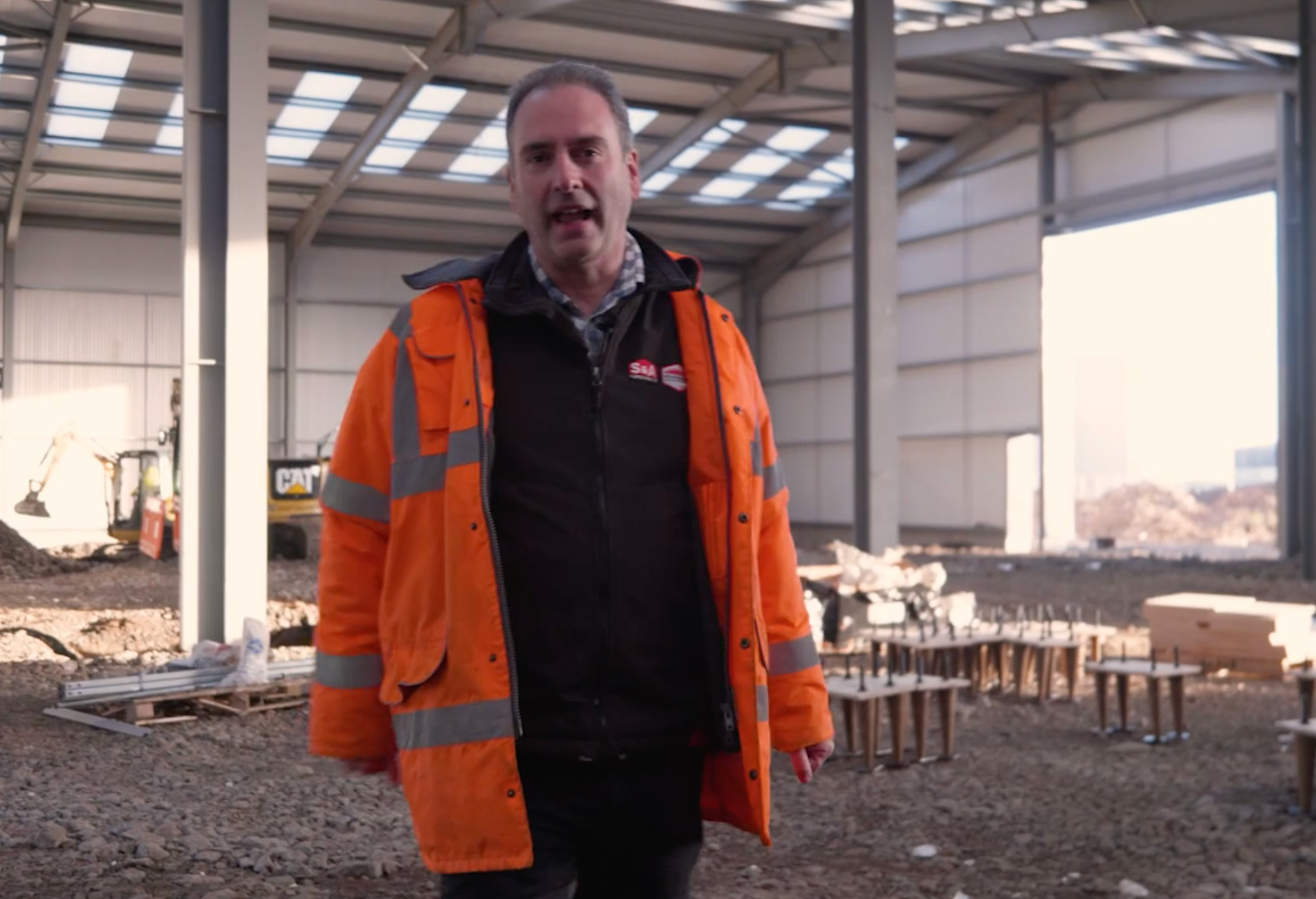
Agriculture and engineering have traditionally been male-dominated industries, but that is slowly beginning to change. Across the sector, more women are building careers on farms, running rural businesses and working in the industries that support agriculture. At S&A Fabrications, we believe that’s something worth encouraging.
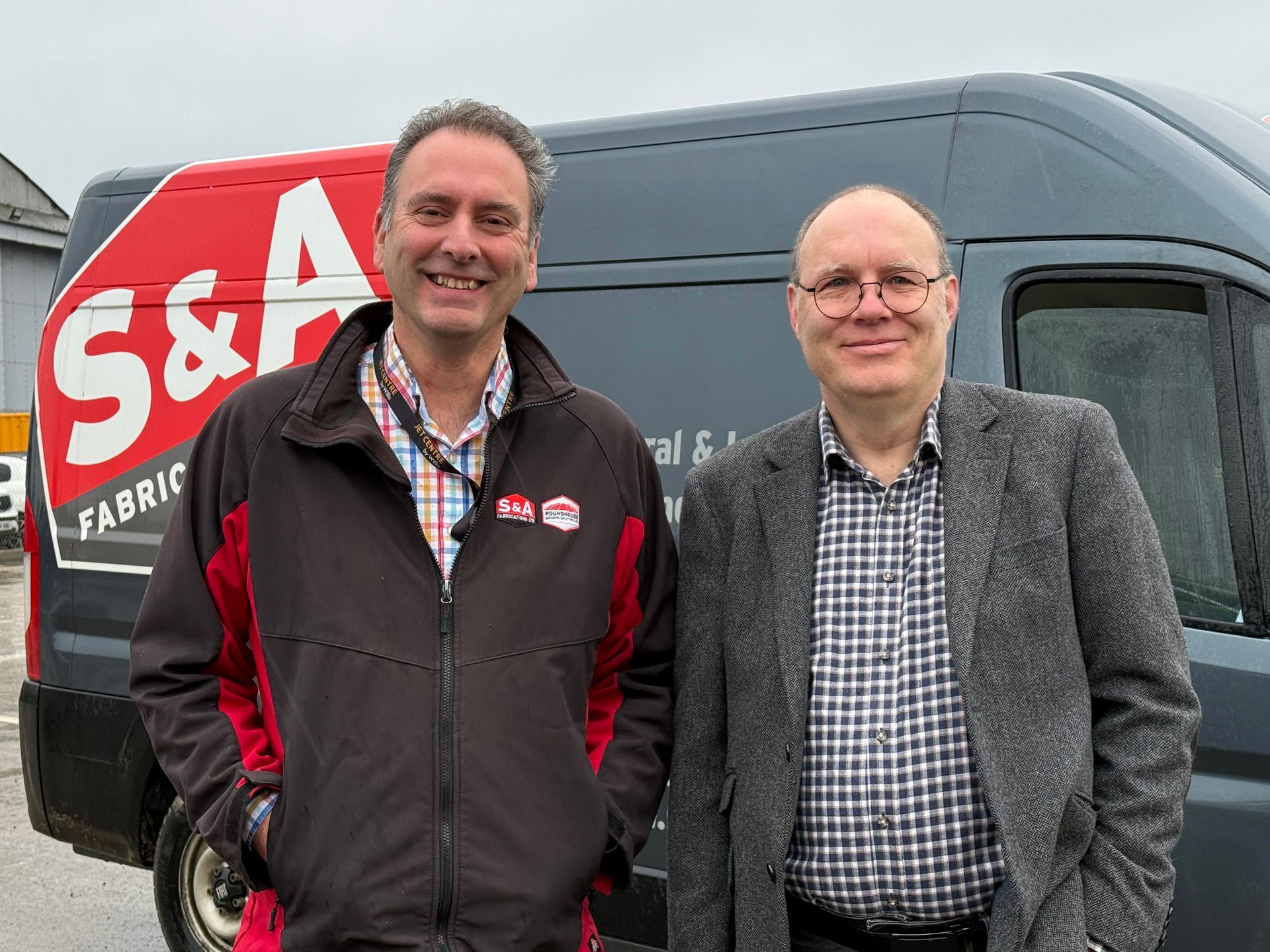
S&A Fabrications acquires Prism Planning & seeks a new Principal. Join us in shaping the future of planning consultancy services.
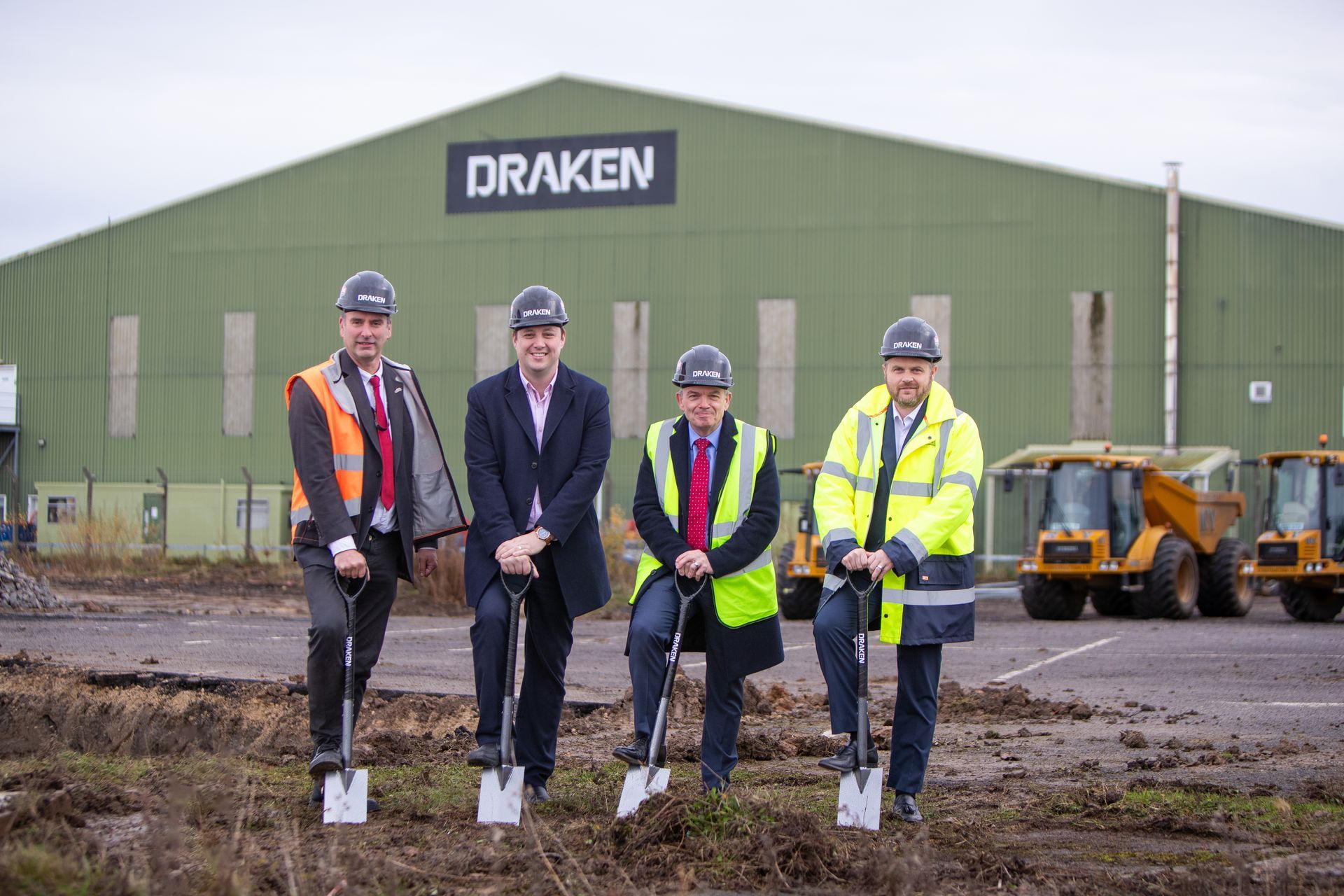
We’re proud to announce that S&A Fabrications has officially broken ground on a brand-new £7 million hangar development for Draken UK at Teesside International Airport .
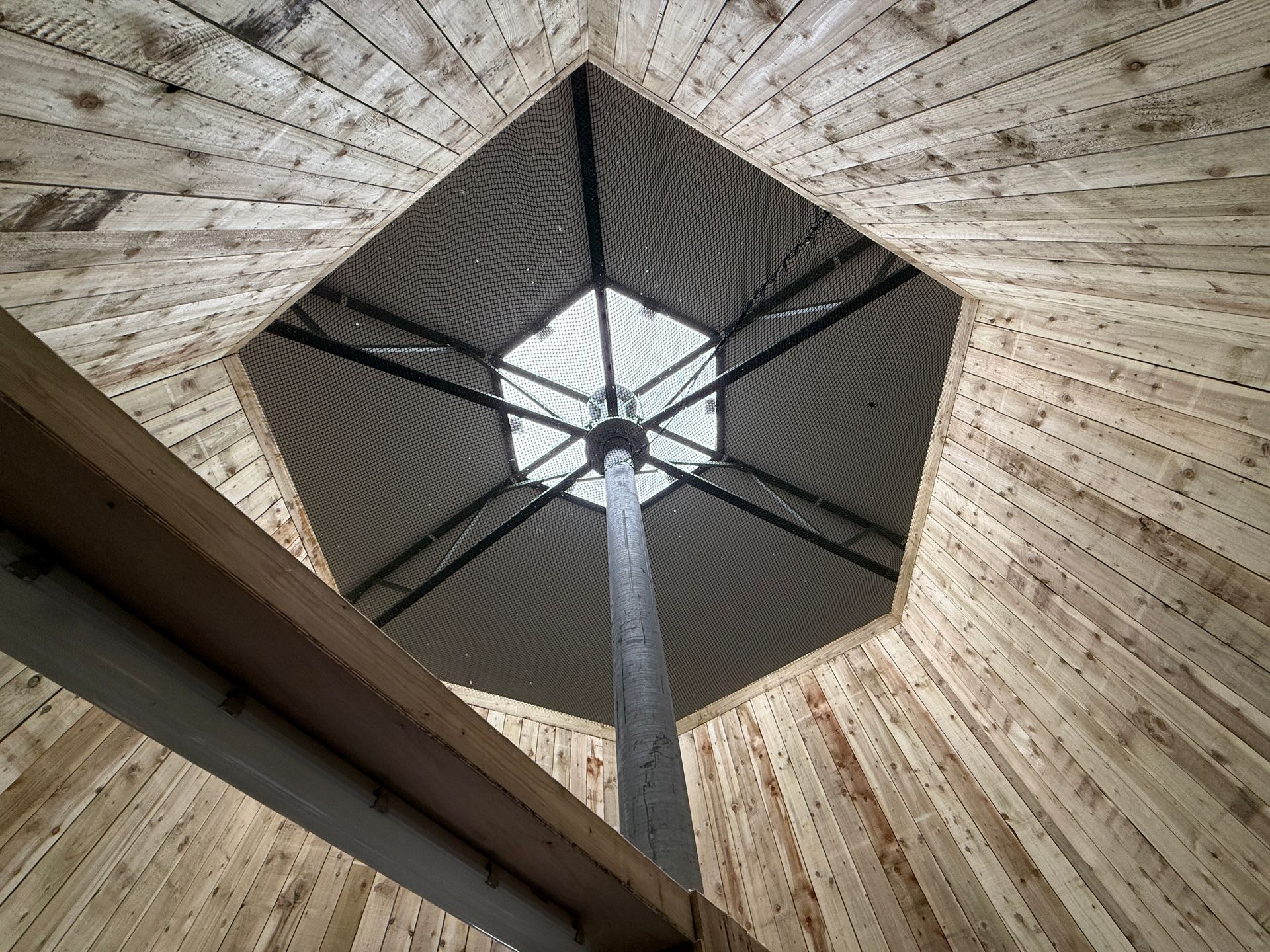
We’re proud to share that S&A Fabrications Ltd has received national recognition at the RIDBA Building Awards 2025 , winning the Livestock Building of the Year Award for our innovative work on the Kynren Aviary Project near Bishop Auckland.
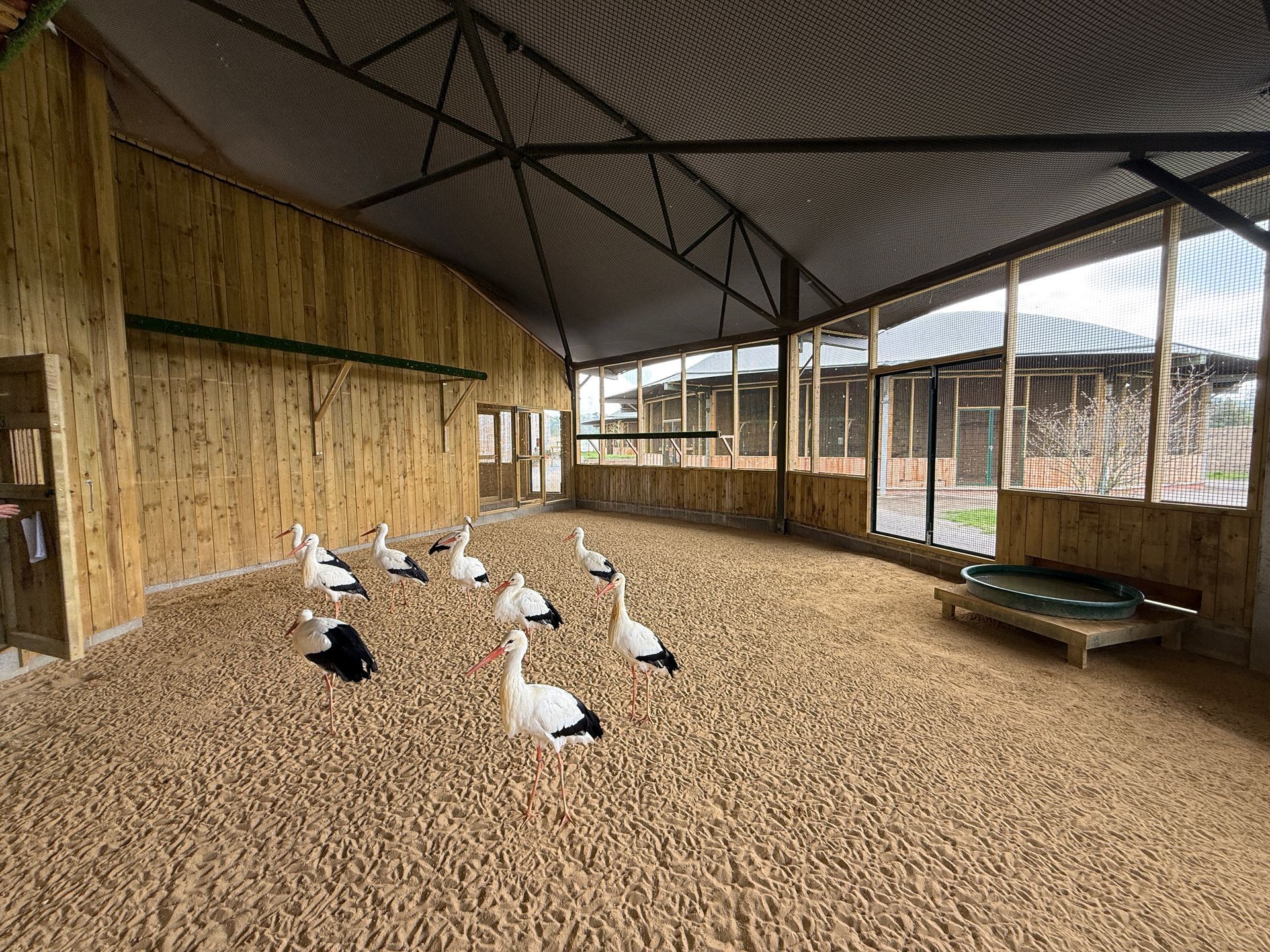
We’re delighted to announce that two of our recent projects have been shortlisted for the RIDBA Building Awards 2025 —a national event that recognises the very best in rural and industrial buildings across the UK.