
Prioritising good handling systems in the Dairy industry

March 14, 2025

Better Handling, Better Beef: The Key Role of Animal Welfare in Dairy Beef Production

In the dairy beef industry, prioritising good handling practices and animal welfare is essential for ensuring ethical standards, optimising productivity, and maintaining economic viability. Proper animal handling minimises stress, leading to improved health, growth rates, and meat quality. Conversely, poor handling can result in injuries, disease, and reduced performance.


Renowned animal behaviourist Temple Grandin has extensively documented the benefits of low-stress handling techniques. Her research indicates that cattle with calm temperaments exhibit higher average daily gains compared to their more excitable counterparts. Grandin's designs for livestock handling facilities focus on reducing visual distractions and utilising curved chutes to promote smoother movement, thereby enhancing animal welfare and operational efficiency. 


Facility design plays a pivotal role in promoting animal welfare. Innovative structures, such as those offered by the Roundhouse, provide cattle with a more natural and comfortable environment. These designs facilitate better airflow, natural lighting, and ample space, all of which contribute to reduced stress and improved overall health.


Similarly, S&A Fabrications specialise in constructing livestock buildings that prioritise animal comfort and efficient handling. Our designs incorporate features that align with best practices in animal welfare, ensuring that cattle are housed in environments conducive to their well-being.


Investing in well-designed facilities and adhering to humane handling practices not only uphold ethical standards but also enhance productivity. Healthy, stress-free animals are more likely to reach optimal weight gains and exhibit better feed conversion ratios, directly impacting the profitability of dairy beef operations.

Moreover, maintaining high animal welfare standards is crucial for meeting regulatory requirements and consumer expectations. Recent reports have highlighted lapses in welfare practices within the industry, underscoring the need for vigilance and continuous improvement. 


In conclusion, the integration of good handling practices and a strong commitment to animal welfare are fundamental to the success of dairy beef enterprises. By adopting innovative facility designs and humane handling techniques, producers can ensure ethical operations, achieve better performance metrics, and meet the evolving demands of consumers and regulators alike.


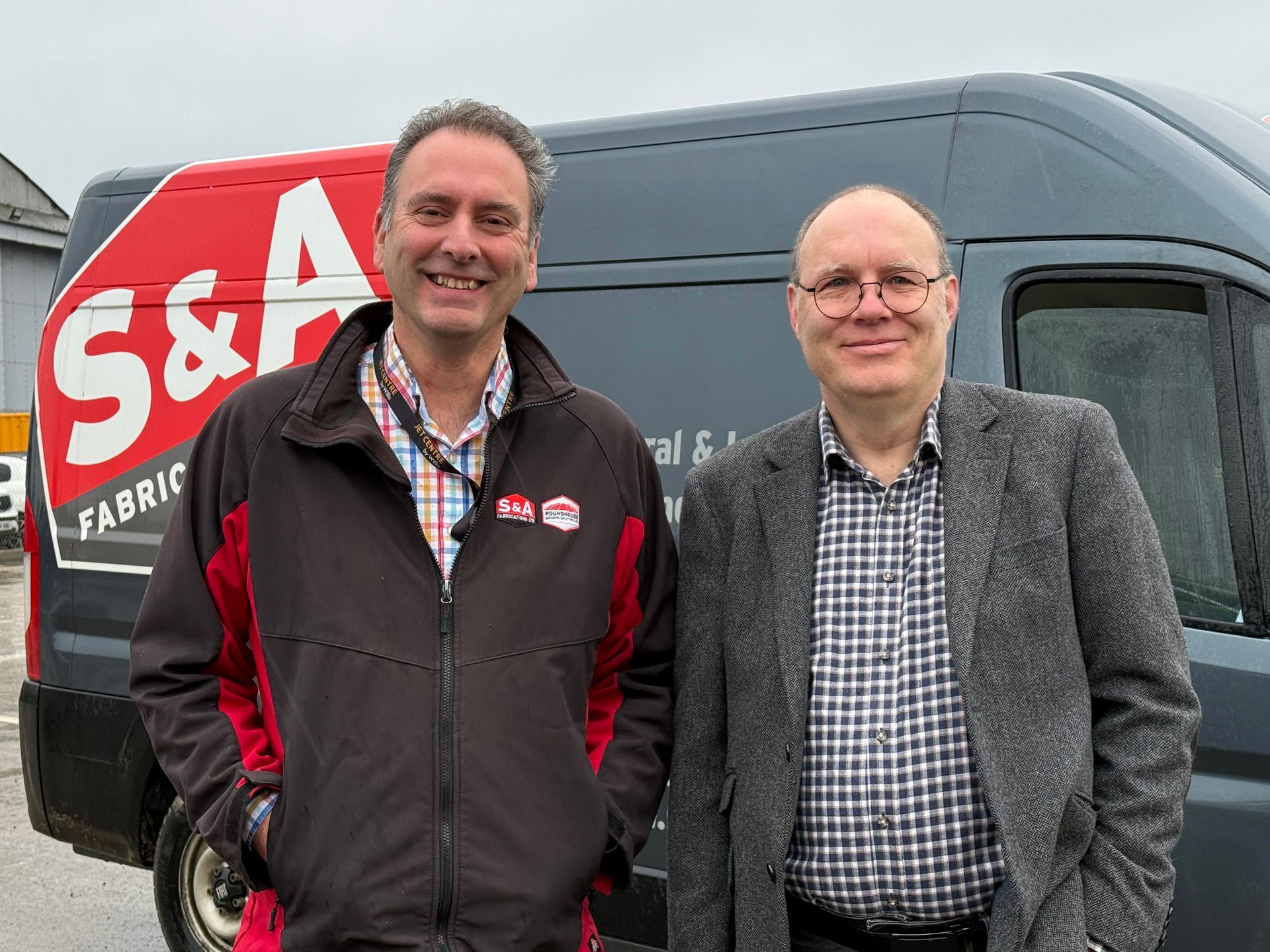
For more information, contact Bertie, Martin or Jamie
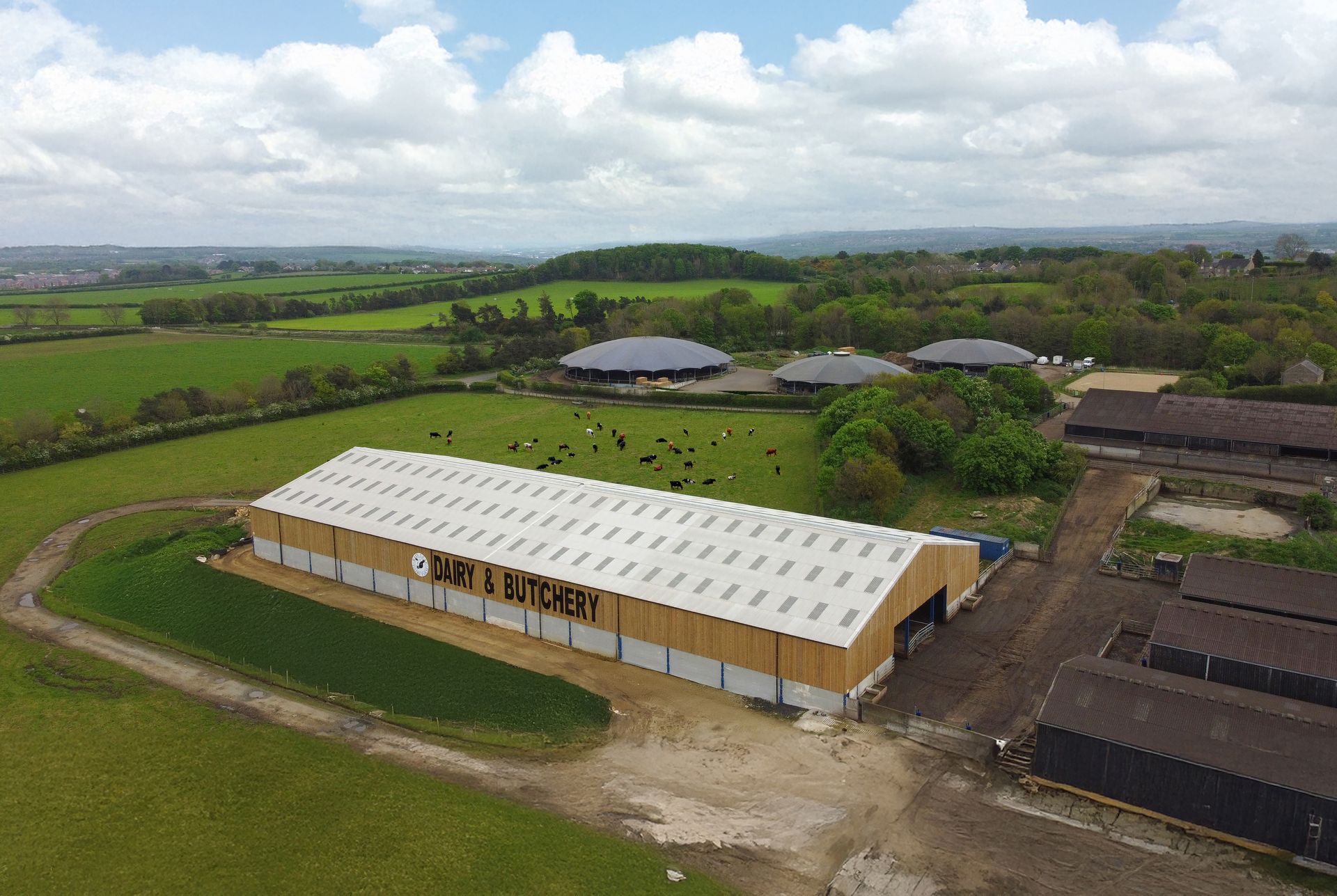
Bays Leap Dairy in Northumberland uses a mix of traditional and Roundhouse buildings
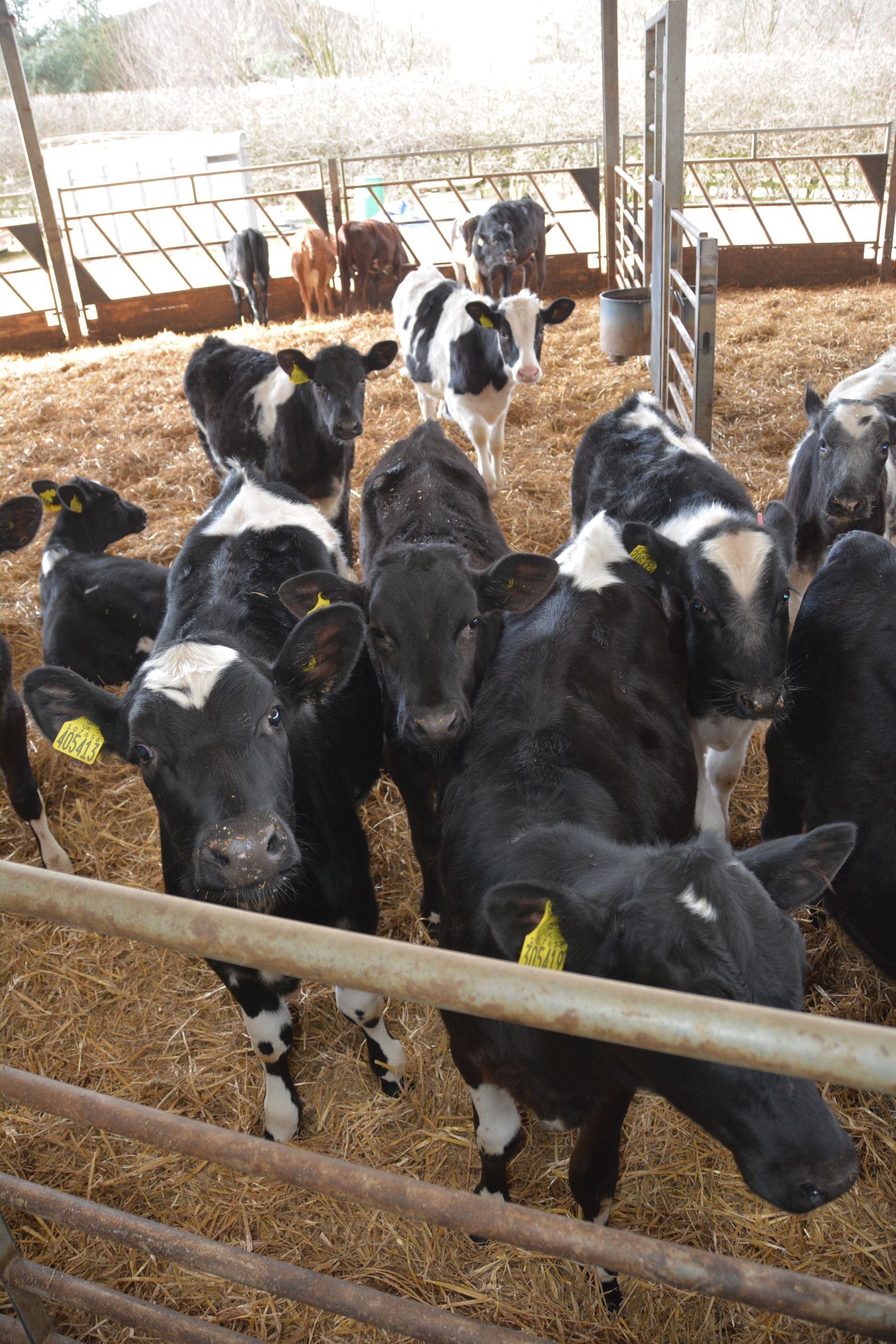
Dairy calves in a Roundhouse

Dairy calves ina Roundhouse at Bays Leap
By Simon Pelly April 26, 2026
Following our recent update on steel market volatility, further changes are now set to impact pricing across the UK from July 2026. These developments are driven by a combination of government policy and ongoing supply-demand imbalance. The UK’s Ongoing Steel Shortfall The UK continues to use significantly more steel than it produces domestically. On average: UK production sits at around 5–6 million tonnes per year Demand typically reaches 9–11 million tonnes per year This gap means the UK relies heavily on imported steel to meet demand—often accounting for around half of total supply. New Import Tariffs and Quotas From 1 July 2026 , new government measures will tighten control over steel imports: Import quotas (the volume allowed in without penalties) will be reduced Any steel imported above these quotas will face a 50% tariff These changes are designed to limit the volume of low-cost steel entering the UK market and to support domestic producers. What This Means for Prices Because the UK cannot meet its own steel demand: Businesses will still need to import steel However, those imports will now be more expensive and more restricted At the same time: UK producers will face less competition from cheaper overseas steel This is likely to contribute to higher overall market prices In short, the cost pressures are coming from both sides—restricted supply and increased import costs. The Wider Context These policy changes are part of a broader strategy to: Protect the UK steel industry from underpriced global competition Maintain domestic steel production capacity Support jobs and long-term supply resilience While these are important long-term goals, the immediate effect is expected to be price increases across the supply chain . What This Means for Our Customers At S&A Fabrications, we are continuing to: Monitor market conditions closely Work with our supply chain to manage cost increases where possible Provide transparent updates so you can plan ahead with confidence Summary To recap: The UK does not produce enough steel to meet demand Imports are becoming more expensive due to new tariffs and tighter quotas This combination is expected to drive steel prices up from July 2026  We’ll continue to keep you informed as the situation develops and will share any further updates as they arise.
By Ali Bell March 23, 2026
If you’ve noticed steel prices creeping up recently, you’re not alone so we thought it was worth explaining what’s going on, in plain English. There’s no panic here, but there are some real factors behind the scenes that are affecting costs across the UK. The biggest one? Energy. Put simply, it costs more to make steel in the UK than it does in much of Europe, largely because electricity prices are higher. And because steel production uses a lot of energy, those costs inevitably feed through into the price of materials.
By Ali Bell March 17, 2026
Agriculture and engineering have traditionally been male-dominated industries, but that is slowly beginning to change. Across the sector, more women are building careers on farms, running rural businesses and working in the industries that support agriculture. At S&A Fabrications, we believe that’s something worth encouraging.
By Ali Bell February 11, 2026
S&A Fabrications is pleased to announce the acquisition of Prism Planning, a well-established planning consultancy operating predominantly across the North East of England.
By Ali Bell November 13, 2025
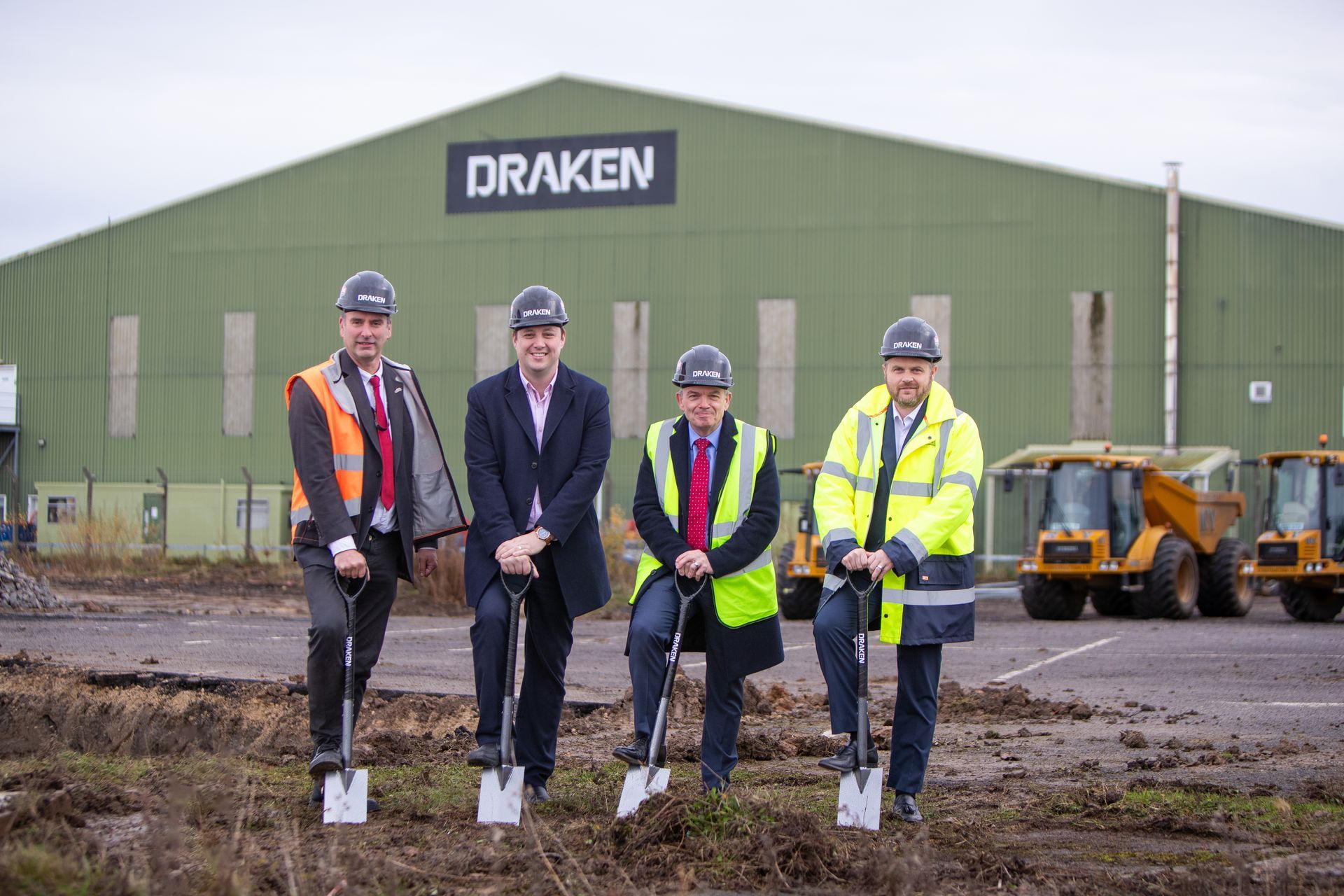
We’re proud to announce that S&A Fabrications has officially broken ground on a brand-new £7 million hangar development for Draken UK at Teesside International Airport .
By Ali Bell September 29, 2025
We’re proud to share that S&A Fabrications Ltd has received national recognition at the RIDBA Building Awards 2025 , winning the Livestock Building of the Year Award for our innovative work on the Kynren Aviary Project near Bishop Auckland.
By Ali Bell June 23, 2025
We’re delighted to announce that two of our recent projects have been shortlisted for the RIDBA Building Awards 2025 —a national event that recognises the very best in rural and industrial buildings across the UK.
By Ali Bell June 18, 2025
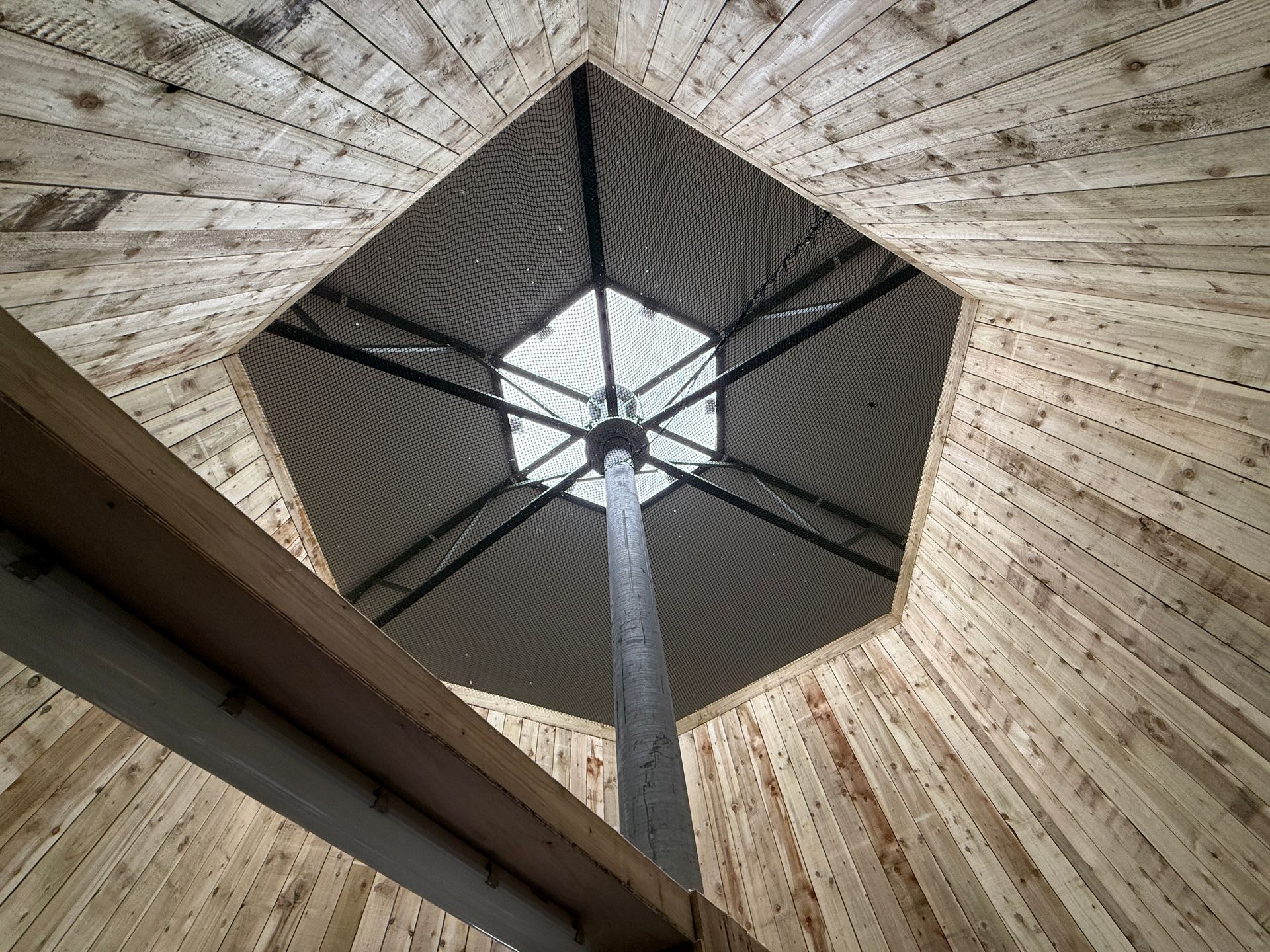
At S&A Fabrications, we’ve been building Roundhouses for years—mainly for livestock, feed storage, or agricultural machinery. But every now and then, a project comes along that takes us in a completely new direction. That’s exactly what happened when the team from Kynren approached us with an unusual brief: to create custom Roundhouses to house birds of prey for their upcoming live outdoor show.
By Ali Bell February 26, 2025
S&A has commenced Construction of Hydrogen Refuelling Station at Teesside International Airport
January 28, 2025
We're thrilled to welcome Jamie and Bertie to the S&A sales team! They’re bringing loads of experience, fresh energy, and big ambitions to the table – we can’t wait to see what they’ll achieve.