
AGRICULTURAL
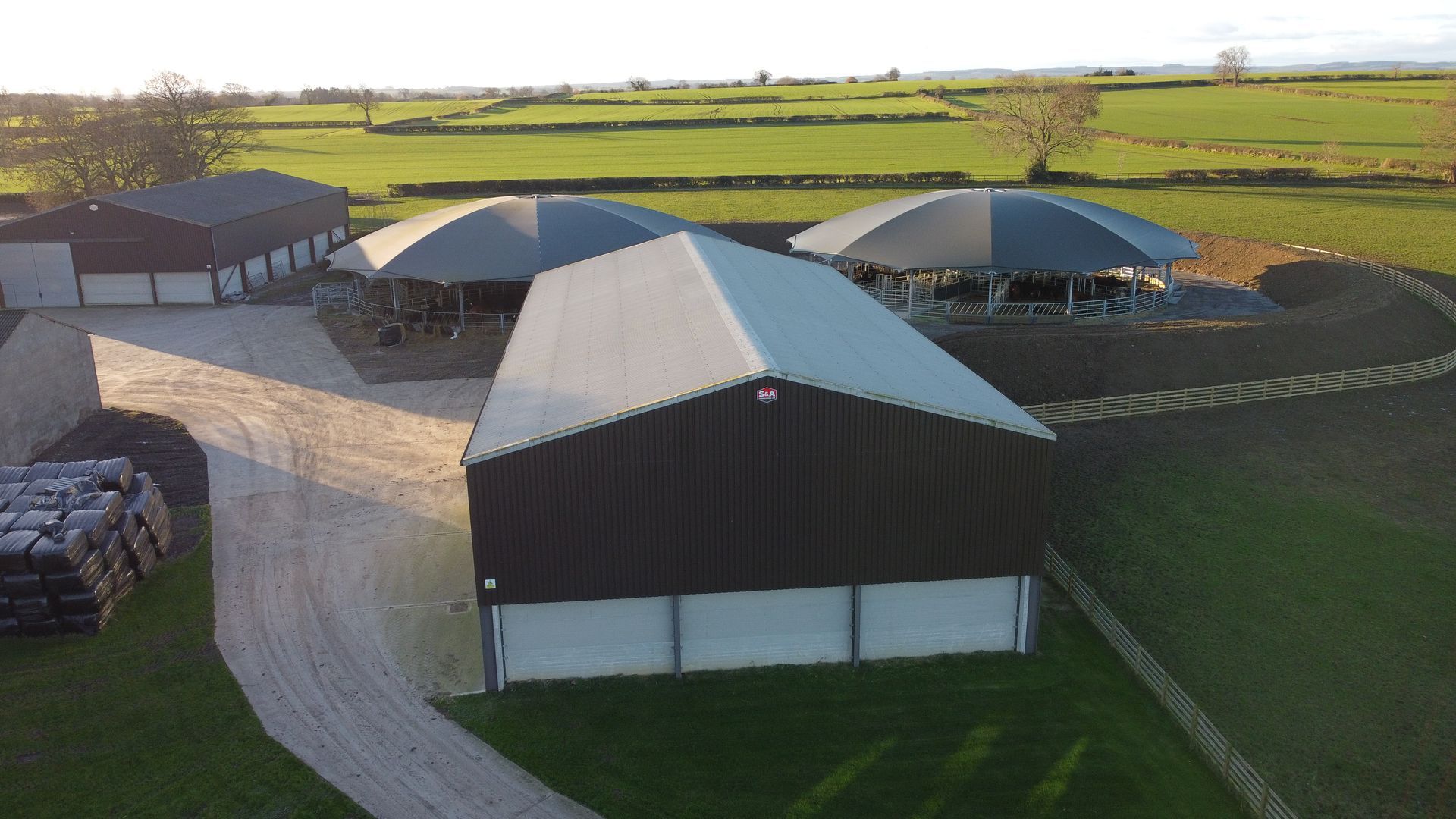
S&A's background in agricultural farm buildings stretches over 40 years. We have been market leaders in developing innovative and modern designs covering a wide range of practical solutions for the modern farm. Our designs are often copied, but never bettered!
INDUSTRIAL
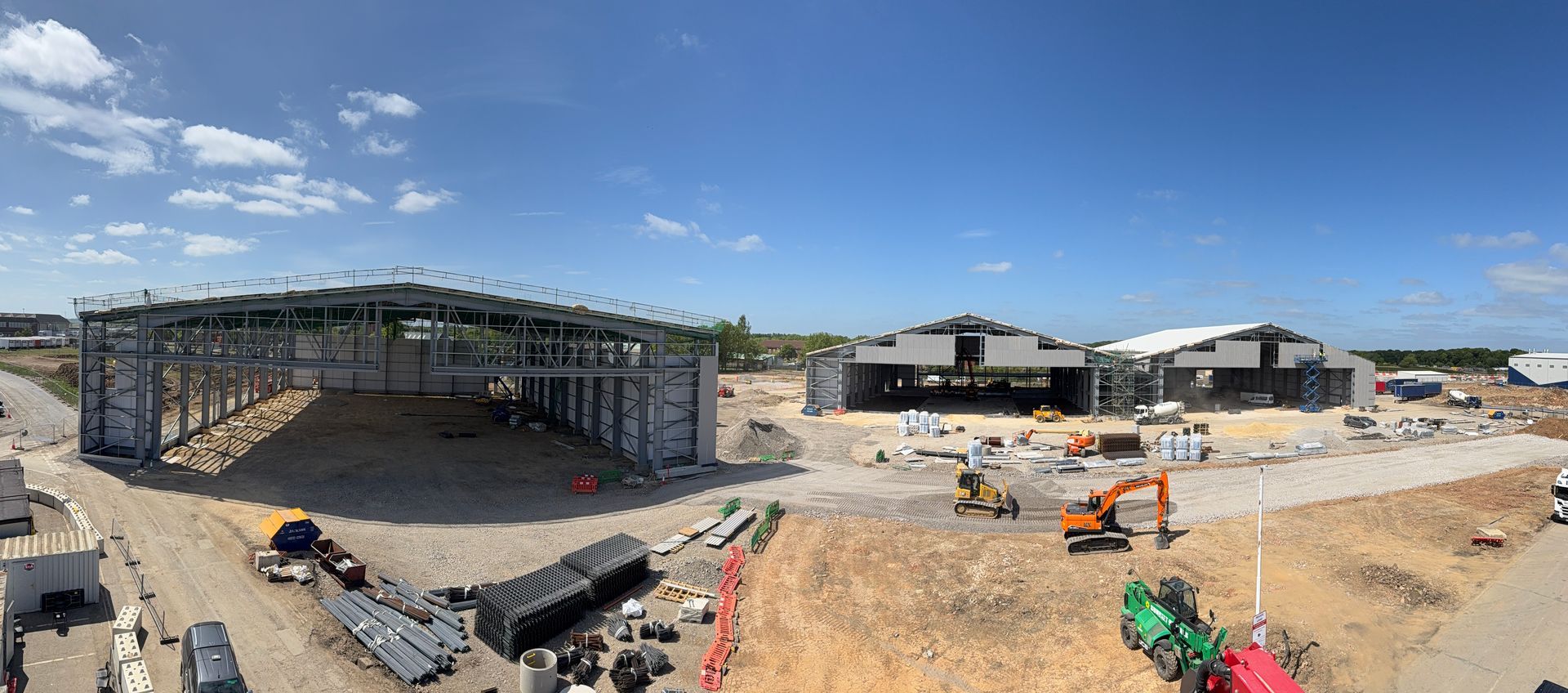
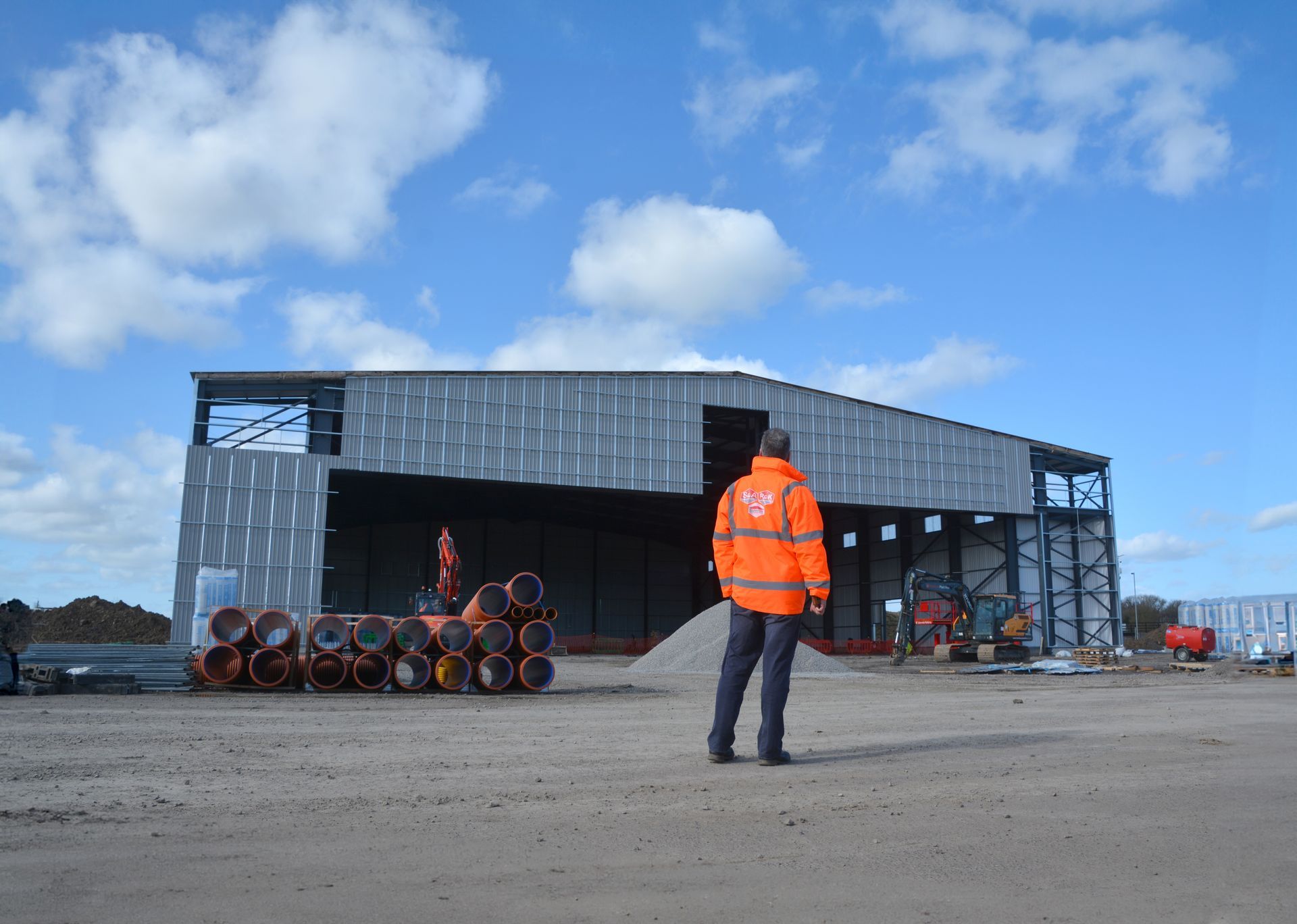
Whether it is design and build or working directly with main contractors building from your designs. We can offer detailing, manufacturing and erection of structural steelwork and secondary steel as well as full cladding packages.
ROUNDHOUSE
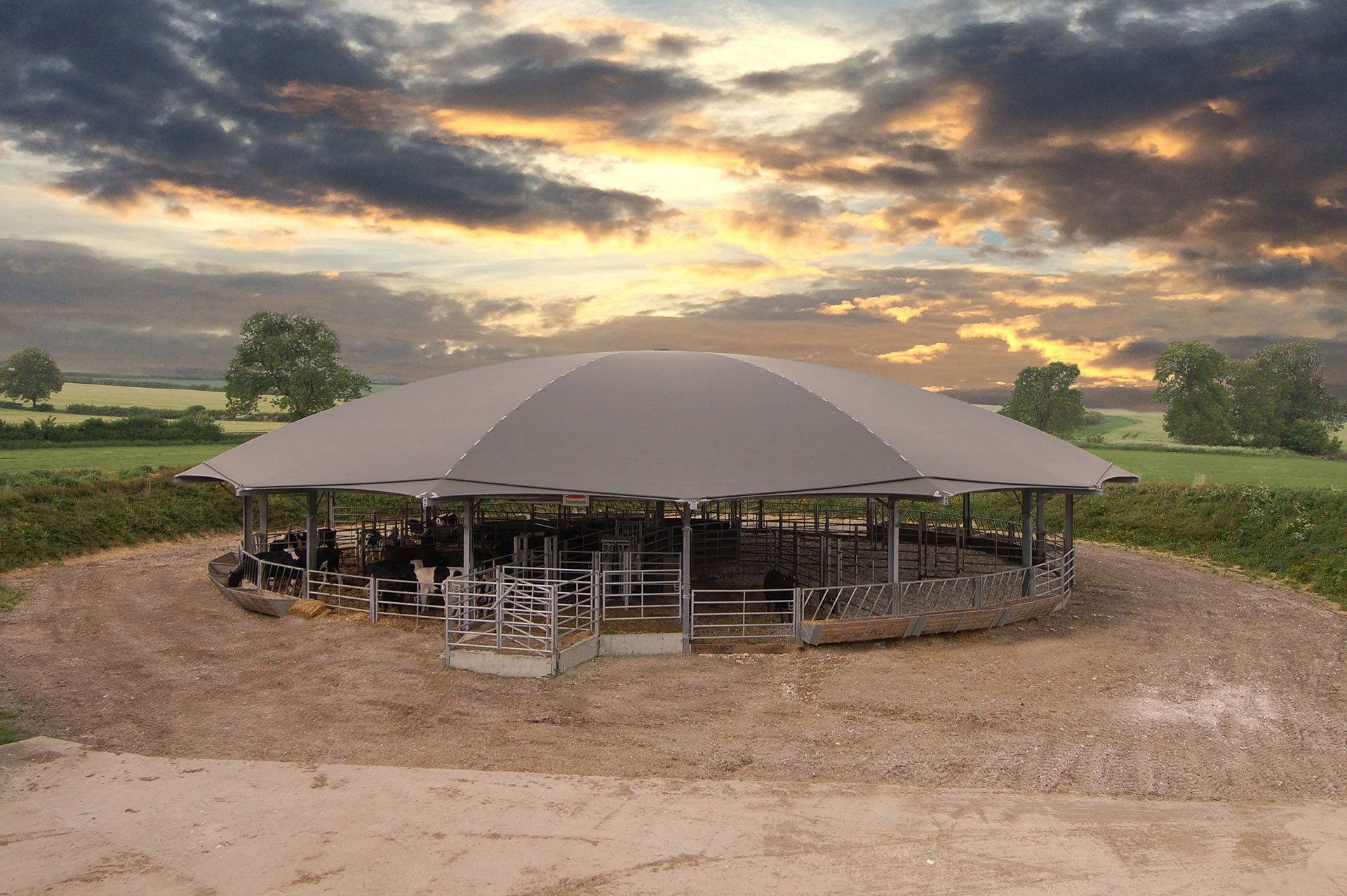
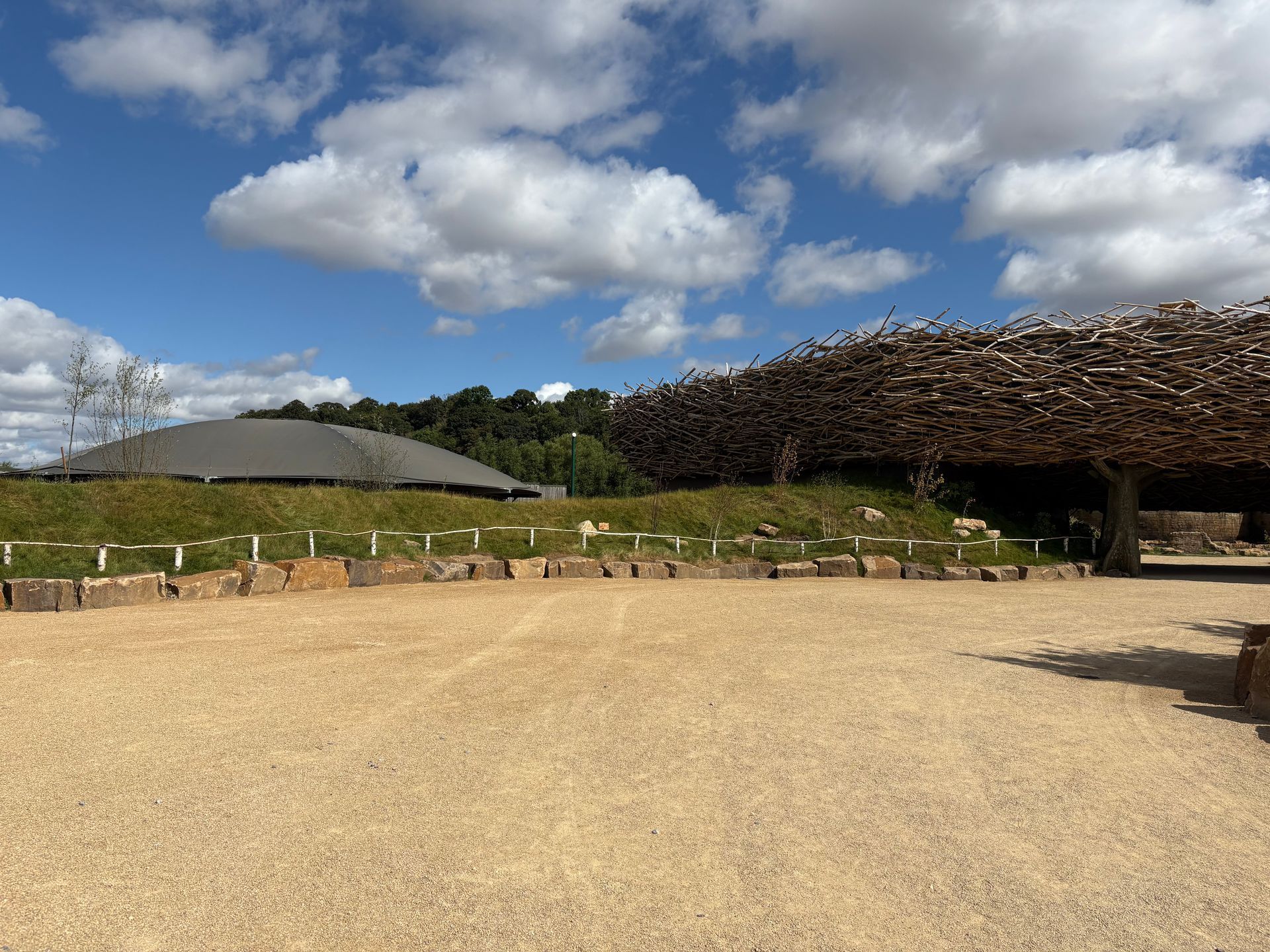
Round buildings date back to the Bronze Age and make full use of natural forces. Roundhouse Building Solutions have developed the design using modern technology and materials to create a unique building which not only optimises animal welfare but significantly reduces operational and building costs.
WE'RE ALL ABOUT THE PEOPLE
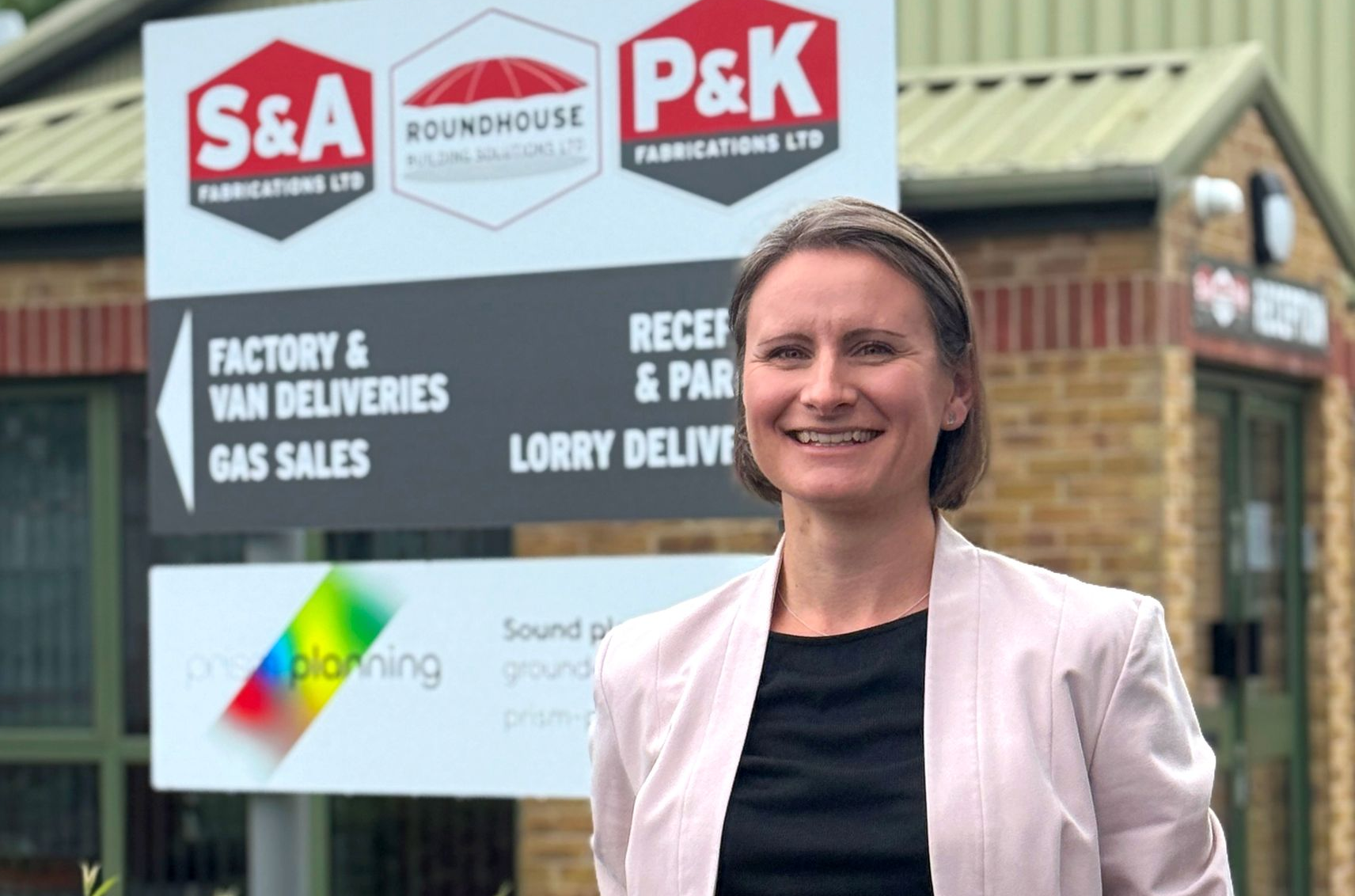
The success of our company is much attributed to the dedicated team of people who work here, day in day out. Our team deal with farmers, landowners, architects and business people, making sure that their every need is looked after and that the product is designed around the end users requirements.
WHAT YOU CAN EXPECT
Understanding what we will do and when and what is required of you is key to any project. We have produced a booklet which we will send to you when you accept our quotation. The booklet takes you through the entire process from planning permission through to a completed building.
BROWSE OUR LATEST NEWS
Keep up to date with our company news and views about our industry
Join us on Instagram


Follow us on Facebook