
Why Steel Prices Are Increasing in the UK (and What We’re Doing About It)

Ali Bell • March 23, 2026

If you’ve noticed steel prices creeping up recently, you’re not alone so we thought it was worth explaining what’s going on, in plain English.


There’s no panic here, but there are some real factors behind the scenes that are affecting costs across the UK. The biggest one? Energy.


Put simply, it costs more to make steel in the UK than it does in much of Europe, largely because electricity prices are higher. And because steel production uses a lot of energy, those costs inevitably feed through into the price of materials.

So, what’s actually causing the increase?

There isn’t just one reason, it’s a combination of things:

  • Higher energy costs in the UK
    UK steel producers are paying significantly more for electricity than many European competitors, which makes production more expensive.
  • Energy-heavy manufacturing
    Steel is an energy-intensive product, so when energy prices rise, steel prices tend to follow.
  • Wider market pressures
    Global demand, policy changes, and investment in greener steel production are all playing a part in shaping pricing.

The good news is that the industry is actively working with the government to improve things, particularly around bringing UK energy costs more in line with Europe. That should help create more stability over time.


This isn’t a crisis, but it is something to be aware of

We want to be clear: steel is still readily available, and projects are continuing as normal.

What we’re seeing is more of a steady adjustment rather than sudden spikes or shortages. It just means planning and communication are a bit more important than usual.


What we’re doing at S&A Fabrications

Our job is to make this as straightforward as possible for you.

Behind the scenes, we’re taking a number of steps to protect our clients from unnecessary cost increases and uncertainty:

  • Planning ahead with suppliers
    We’re working closely with our supply chain and buying strategically to secure the best possible pricing.
  • Getting involved earlier
    The earlier we can look at a project, the more we can help optimise materials and reduce exposure to price changes.
  • Practical value engineering
    We’ll always look for smart ways to achieve the same end result more efficiently, without compromising quality.
  • Keeping things open and honest
    If there are changes in the market, we’ll tell you. No surprises.
  • Running efficiently in-house
    We’re constantly refining how we work to reduce waste and keep costs under control.


A quick word from our Purchasing Manager

As Andrew Simpson, our Purchasing Manager, puts it:

“We’re seeing steady pressure on steel pricing, largely driven by energy costs within the supply chain. Our focus at S&A Fabrications is on managing that risk, through strong supplier relationships, forward planning, and making sure our clients get both value and certainty wherever possible.”


Looking ahead

There’s a lot of work happening at industry level to improve the situation, particularly around energy pricing and long-term investment in UK steel production.


In the meantime, our approach is simple: stay ahead of the curve, keep things transparent, and help our clients make informed decisions.

If you’ve got a project coming up and want to sense-check costs or timings, we’re always happy to have a conversation.
By Simon Pelly April 26, 2026
Following our recent update on steel market volatility, further changes are now set to impact pricing across the UK from July 2026. These developments are driven by a combination of government policy and ongoing supply-demand imbalance. The UK’s Ongoing Steel Shortfall The UK continues to use significantly more steel than it produces domestically. On average: UK production sits at around 5–6 million tonnes per year Demand typically reaches 9–11 million tonnes per year This gap means the UK relies heavily on imported steel to meet demand—often accounting for around half of total supply. New Import Tariffs and Quotas From 1 July 2026 , new government measures will tighten control over steel imports: Import quotas (the volume allowed in without penalties) will be reduced Any steel imported above these quotas will face a 50% tariff These changes are designed to limit the volume of low-cost steel entering the UK market and to support domestic producers. What This Means for Prices Because the UK cannot meet its own steel demand: Businesses will still need to import steel However, those imports will now be more expensive and more restricted At the same time: UK producers will face less competition from cheaper overseas steel This is likely to contribute to higher overall market prices In short, the cost pressures are coming from both sides—restricted supply and increased import costs. The Wider Context These policy changes are part of a broader strategy to: Protect the UK steel industry from underpriced global competition Maintain domestic steel production capacity Support jobs and long-term supply resilience While these are important long-term goals, the immediate effect is expected to be price increases across the supply chain . What This Means for Our Customers At S&A Fabrications, we are continuing to: Monitor market conditions closely Work with our supply chain to manage cost increases where possible Provide transparent updates so you can plan ahead with confidence Summary To recap: The UK does not produce enough steel to meet demand Imports are becoming more expensive due to new tariffs and tighter quotas This combination is expected to drive steel prices up from July 2026  We’ll continue to keep you informed as the situation develops and will share any further updates as they arise.
By Ali Bell March 17, 2026
Agriculture and engineering have traditionally been male-dominated industries, but that is slowly beginning to change. Across the sector, more women are building careers on farms, running rural businesses and working in the industries that support agriculture. At S&A Fabrications, we believe that’s something worth encouraging.
By Ali Bell February 11, 2026
S&A Fabrications is pleased to announce the acquisition of Prism Planning, a well-established planning consultancy operating predominantly across the North East of England.
By Ali Bell November 13, 2025
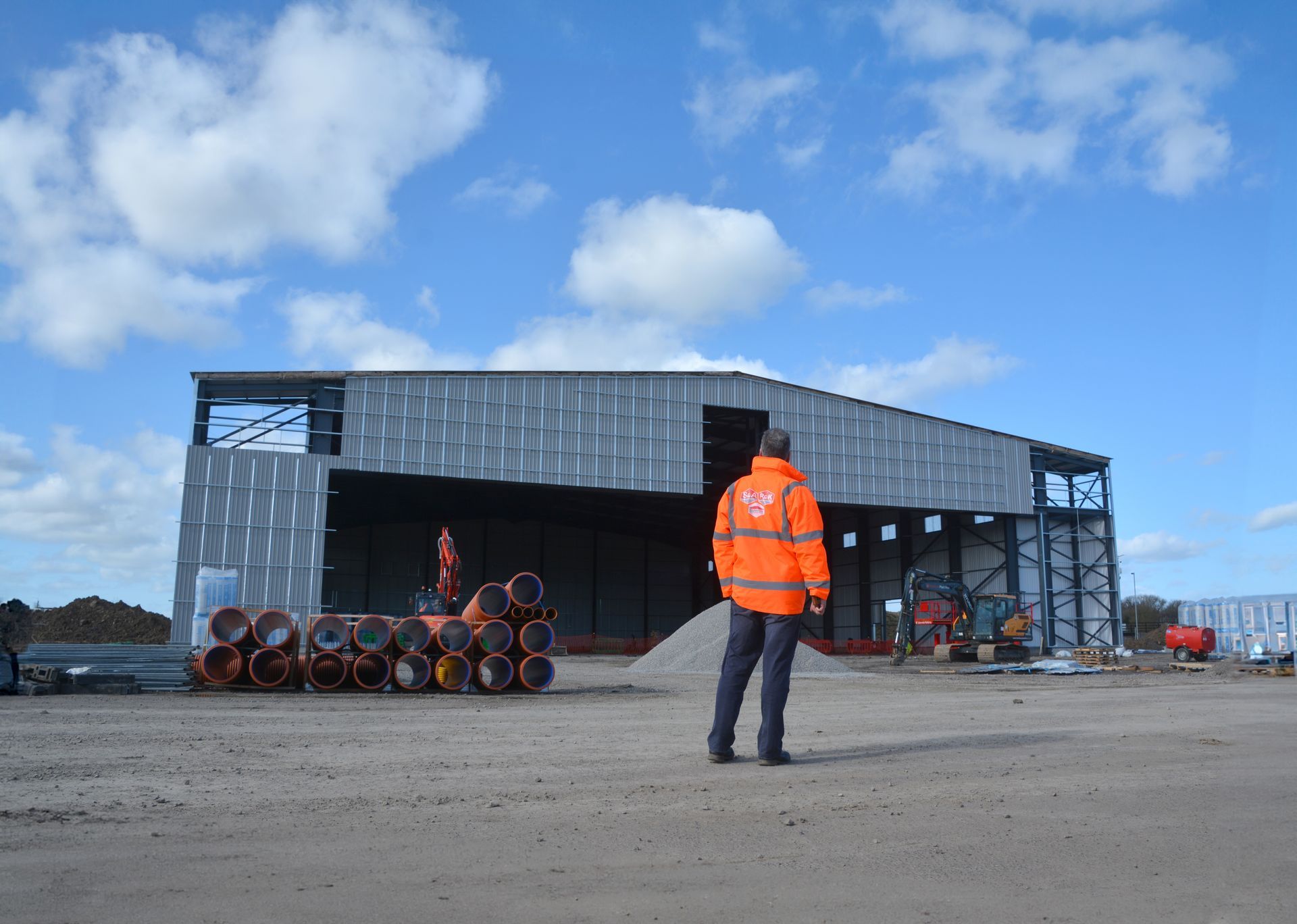
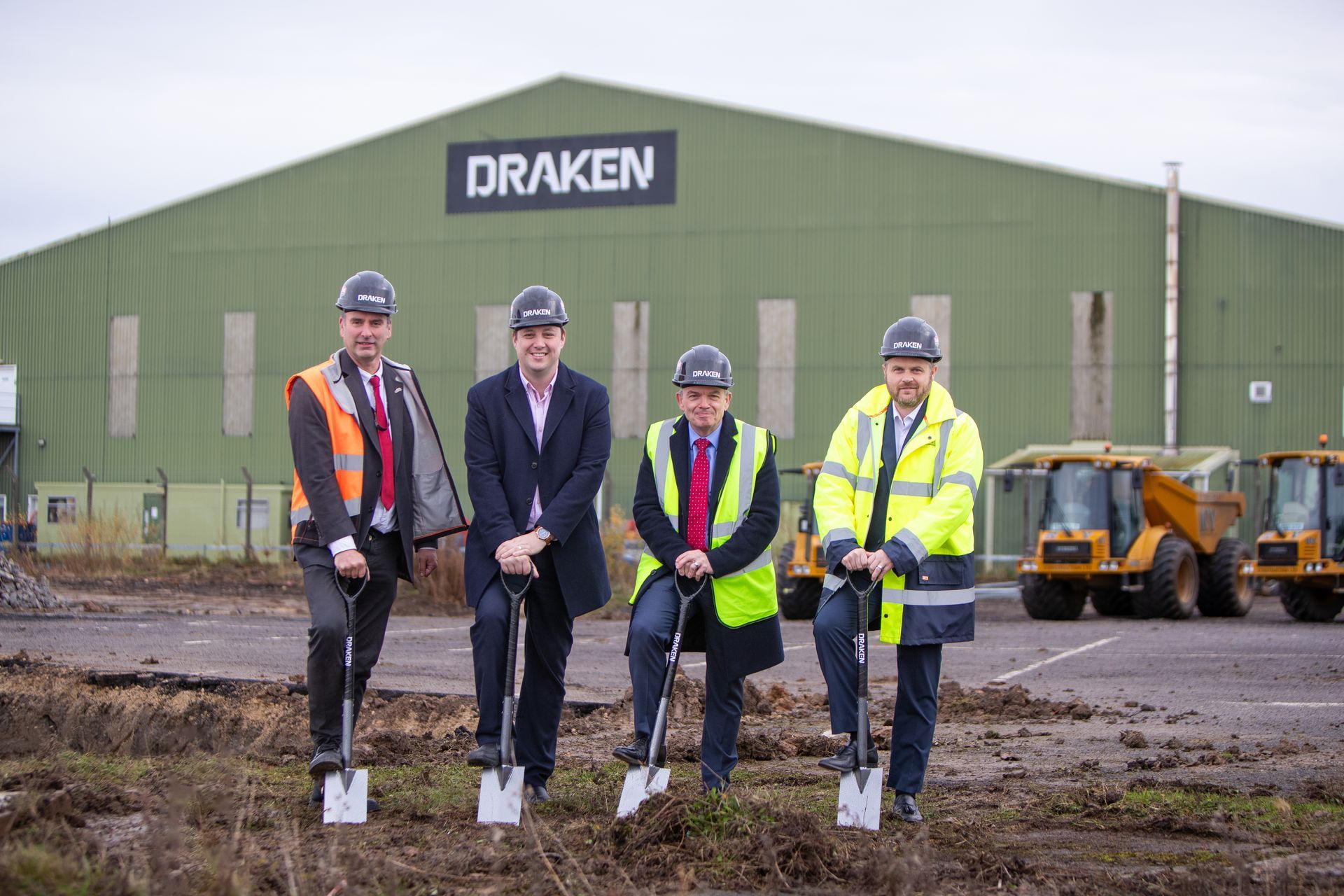
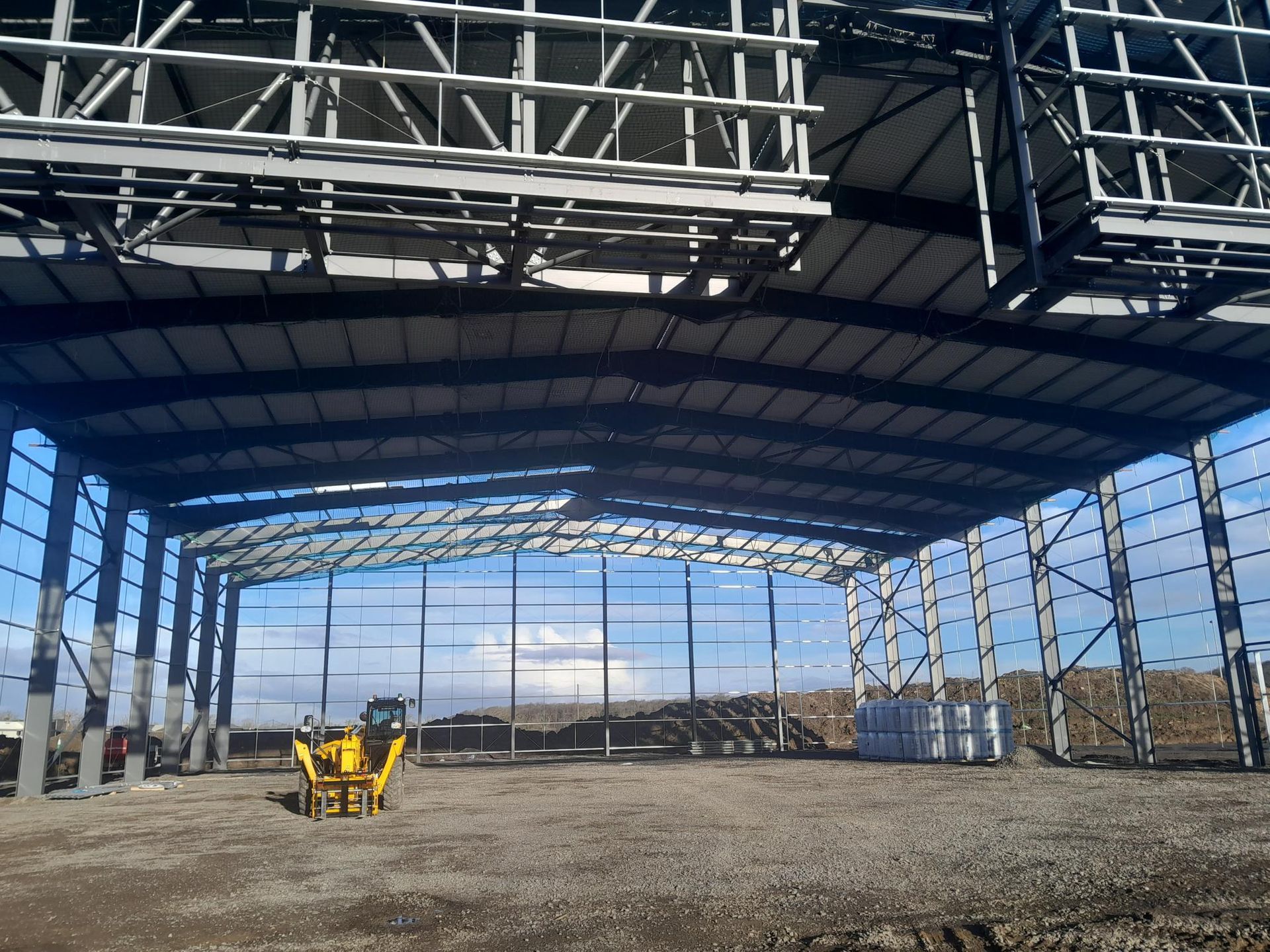
We’re proud to announce that S&A Fabrications has officially broken ground on a brand-new £7 million hangar development for Draken UK at Teesside International Airport .
By Ali Bell September 29, 2025
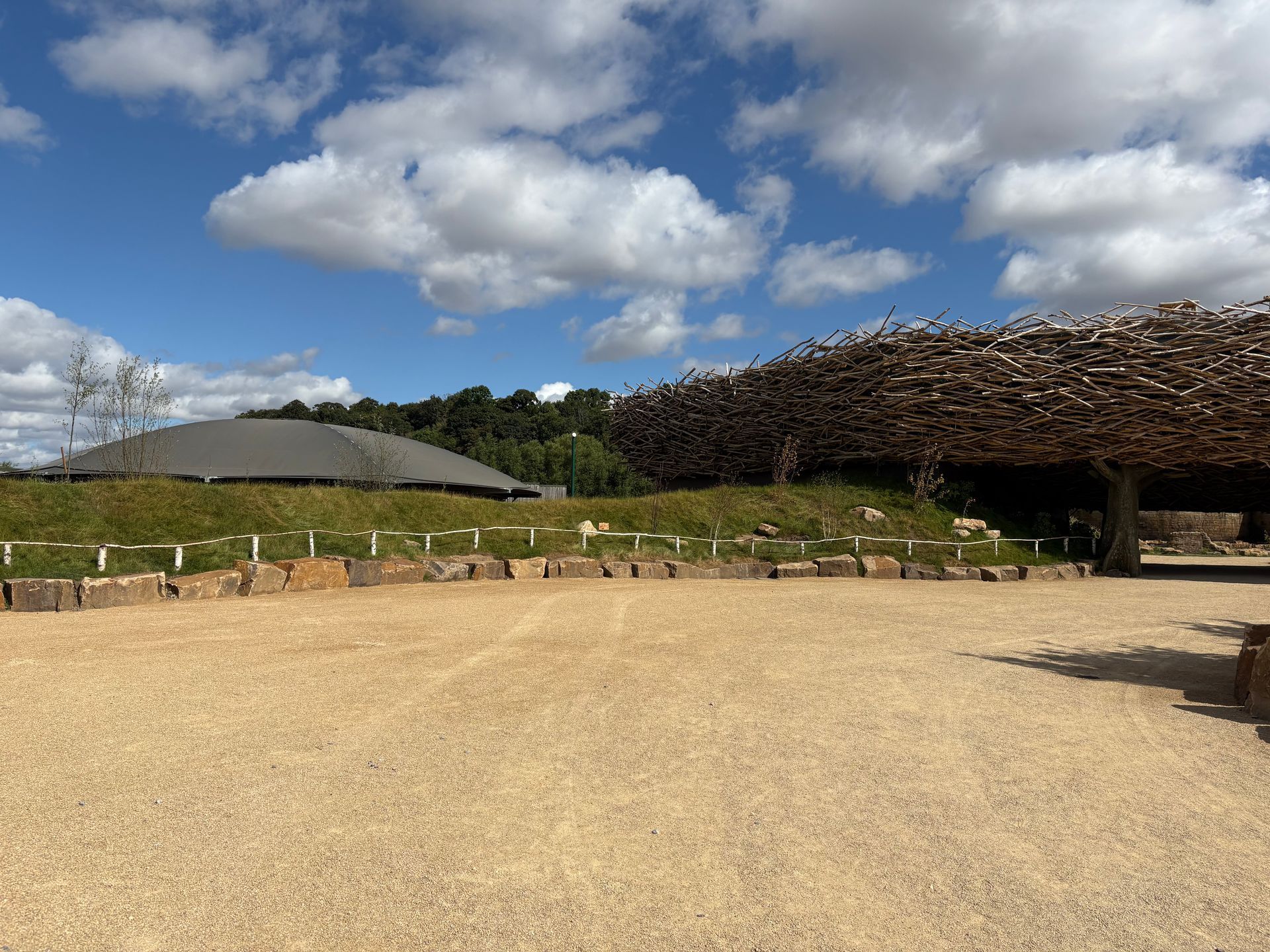
We’re proud to share that S&A Fabrications Ltd has received national recognition at the RIDBA Building Awards 2025 , winning the Livestock Building of the Year Award for our innovative work on the Kynren Aviary Project near Bishop Auckland.
By Ali Bell June 23, 2025
We’re delighted to announce that two of our recent projects have been shortlisted for the RIDBA Building Awards 2025 —a national event that recognises the very best in rural and industrial buildings across the UK.
By Ali Bell June 18, 2025
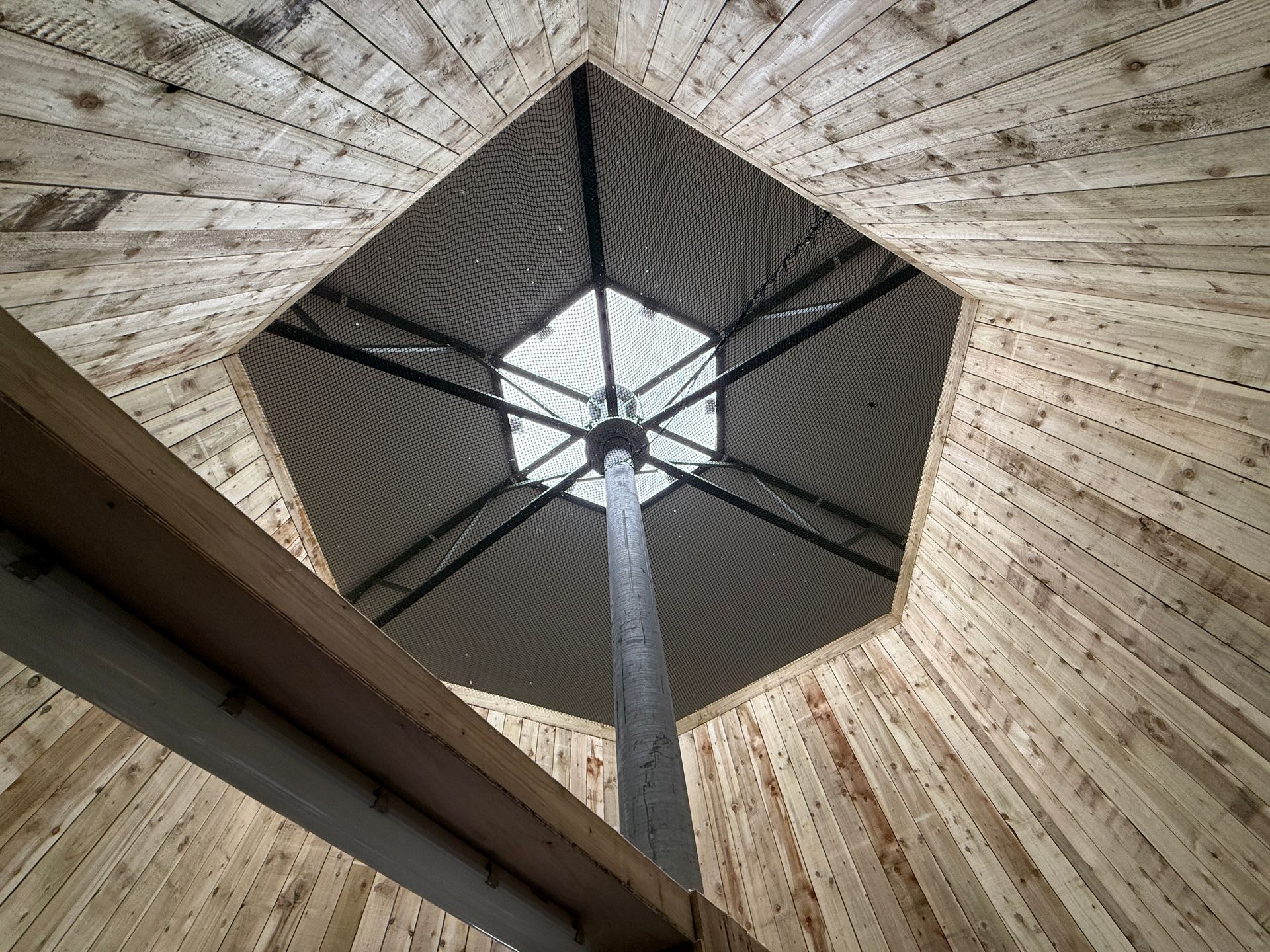
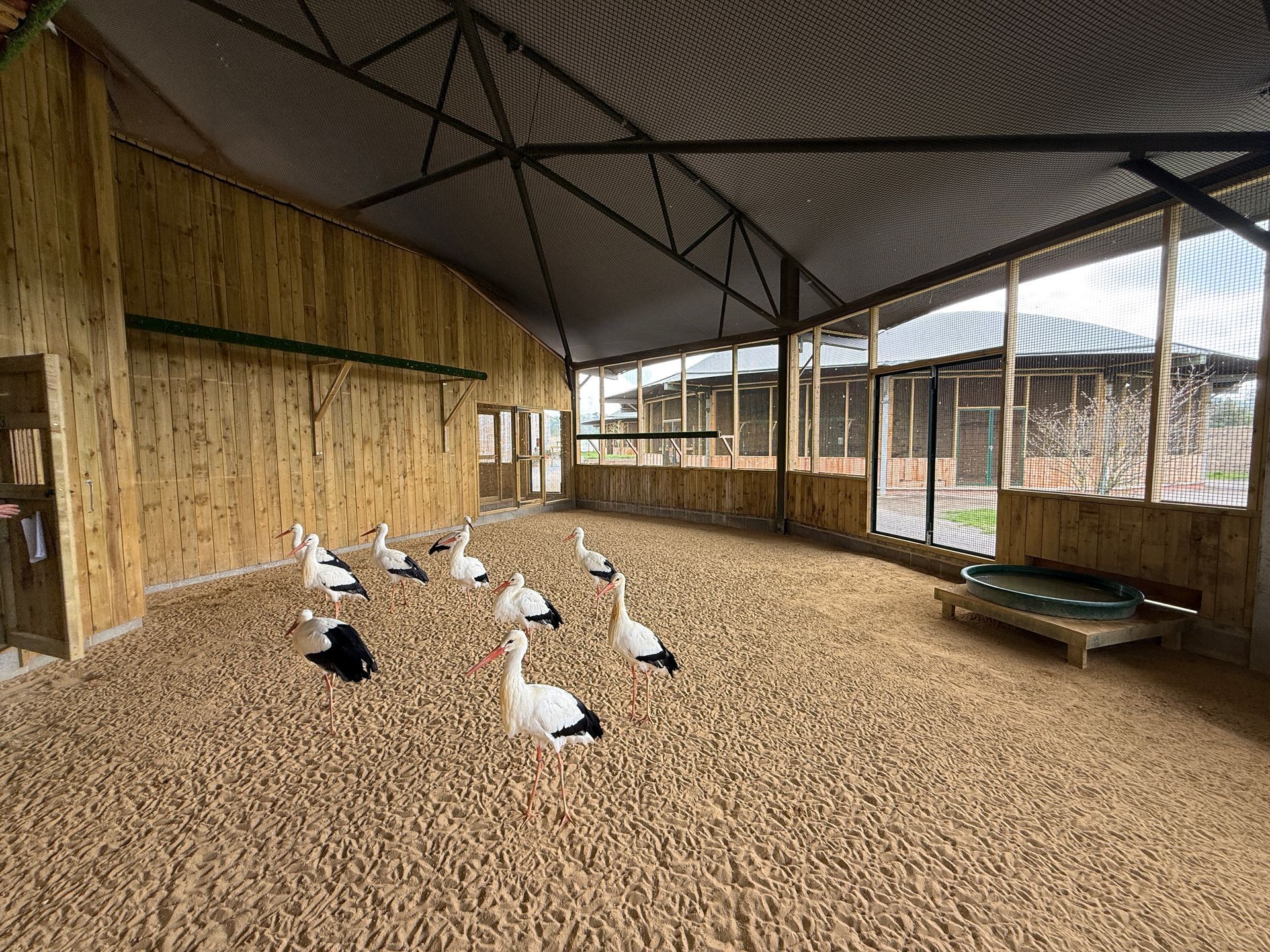
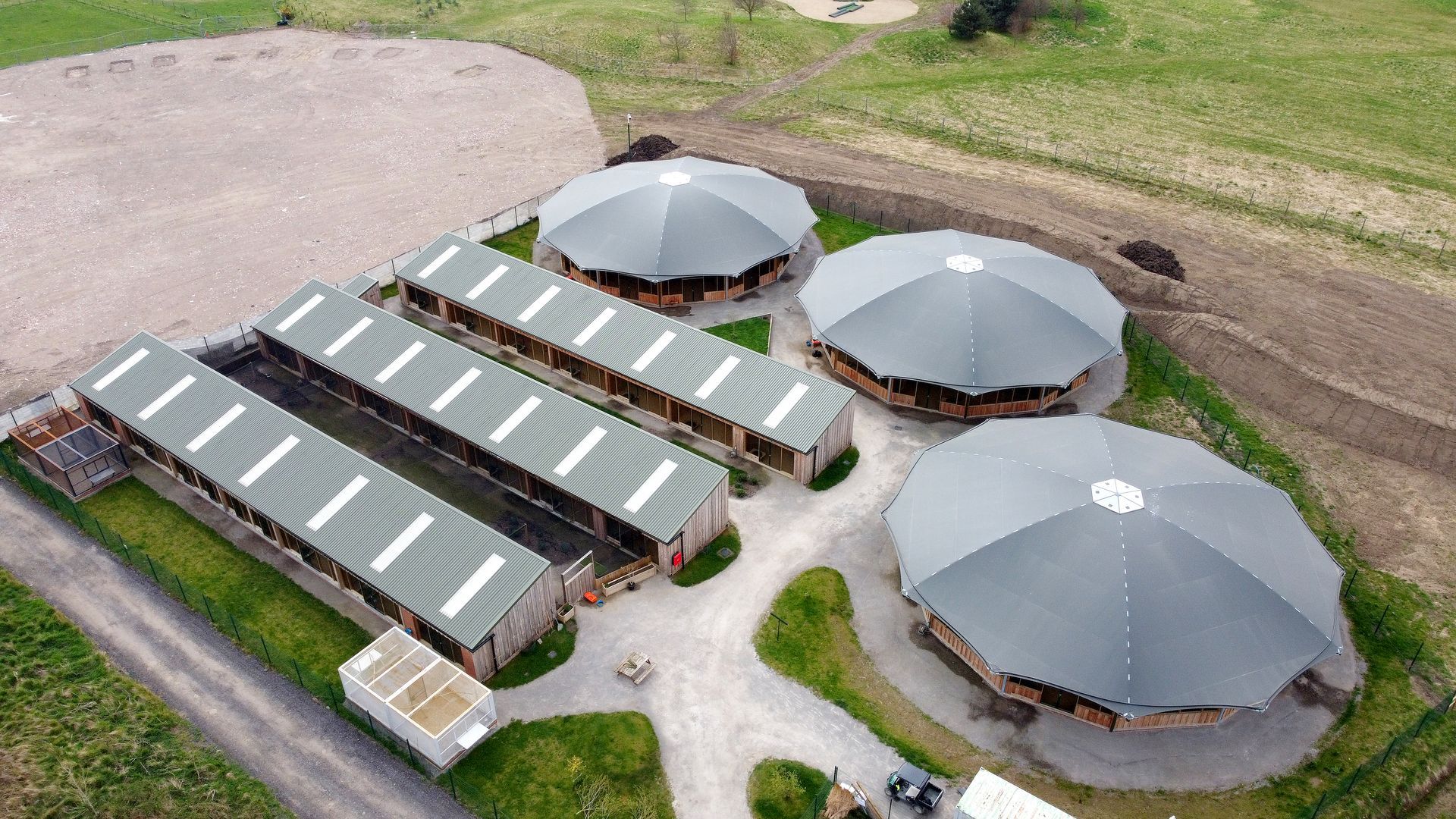
At S&A Fabrications, we’ve been building Roundhouses for years—mainly for livestock, feed storage, or agricultural machinery. But every now and then, a project comes along that takes us in a completely new direction. That’s exactly what happened when the team from Kynren approached us with an unusual brief: to create custom Roundhouses to house birds of prey for their upcoming live outdoor show.
March 14, 2025
Better Handling, Better Beef: The Key Role of Animal Welfare in Dairy Beef Production
By Ali Bell February 26, 2025
S&A has commenced Construction of Hydrogen Refuelling Station at Teesside International Airport
January 28, 2025
We're thrilled to welcome Jamie and Bertie to the S&A sales team! They’re bringing loads of experience, fresh energy, and big ambitions to the table – we can’t wait to see what they’ll achieve.