
Factory moves to 4 day working week

June 27, 2024

At S&A Fabrications, we have recently transitioned our factory workers to a 4-day working week, a strategic move that has led to remarkable improvements in both productivity and employee satisfaction.

Known for our high-quality metal fabrications, we decided to innovate our work schedule by extending daily hours from Monday through Thursday while reducing break times following a successful trial earlier in the year. This restructuring not only maintained the total number of working hours but also consolidated them into a more focused and efficient workweek.


As the Managing Director of S&A Fabrications, Simon Pelly explained the rationale behind the shift. “We wanted to enhance our work environment and explore ways to boost productivity without compromising our workers' well-being. The new schedule allows our employees to enjoy a three-day weekend, contributing significantly to their work-life balance and overall happiness.”


The initiative has proven to be highly successful. Our productivity metrics have shown a noticeable increase since the implementation. Employees are more engaged and efficient during their working hours, resulting in higher output and better quality products. “The change has been a game-changer for us,” says long-time employee Colin Gilbert. “We feel more rested and motivated. Knowing we have a longer weekend to look forward to really helps us stay focused during the week.”


This shift aligns with broader trends observed globally. Research has consistently shown that a 4-day workweek can lead to numerous benefits. According to a report by the World Economic Forum, companies that have adopted shorter workweeks have seen significant improvements in productivity and employee well-being. Additionally, a study conducted by Henley Business School found that businesses adopting a 4-day week reported reduced absenteeism, lower stress levels, and higher job satisfaction among employees.


For us at S&A Fabrications, the benefits extend beyond productivity gains. The new schedule provides management with uninterrupted periods to inspect the factory and perform necessary maintenance. “With machines idle on Fridays, we can carry out thorough maintenance without disrupting production. This proactive approach helps in maintaining our equipment in top condition and prevents unexpected downtime,” said our General Manager David Longstaff, who was a key advocate of the 4-day week and driver behind the implementation.


Our successful transition to a 4-day workweek sets a precedent for other manufacturing firms in the region. The positive outcomes echo the broader sentiment that flexible working patterns, when implemented thoughtfully, can yield substantial benefits for both businesses and their employees.


As companies continue to seek ways to improve efficiency and employee satisfaction, the example we set at S&A Fabrications offers a compelling case for the adoption of a 4-day working week. The Barnard Castle community and beyond will be watching closely to see how this innovative approach continues to benefit our company and workforce.
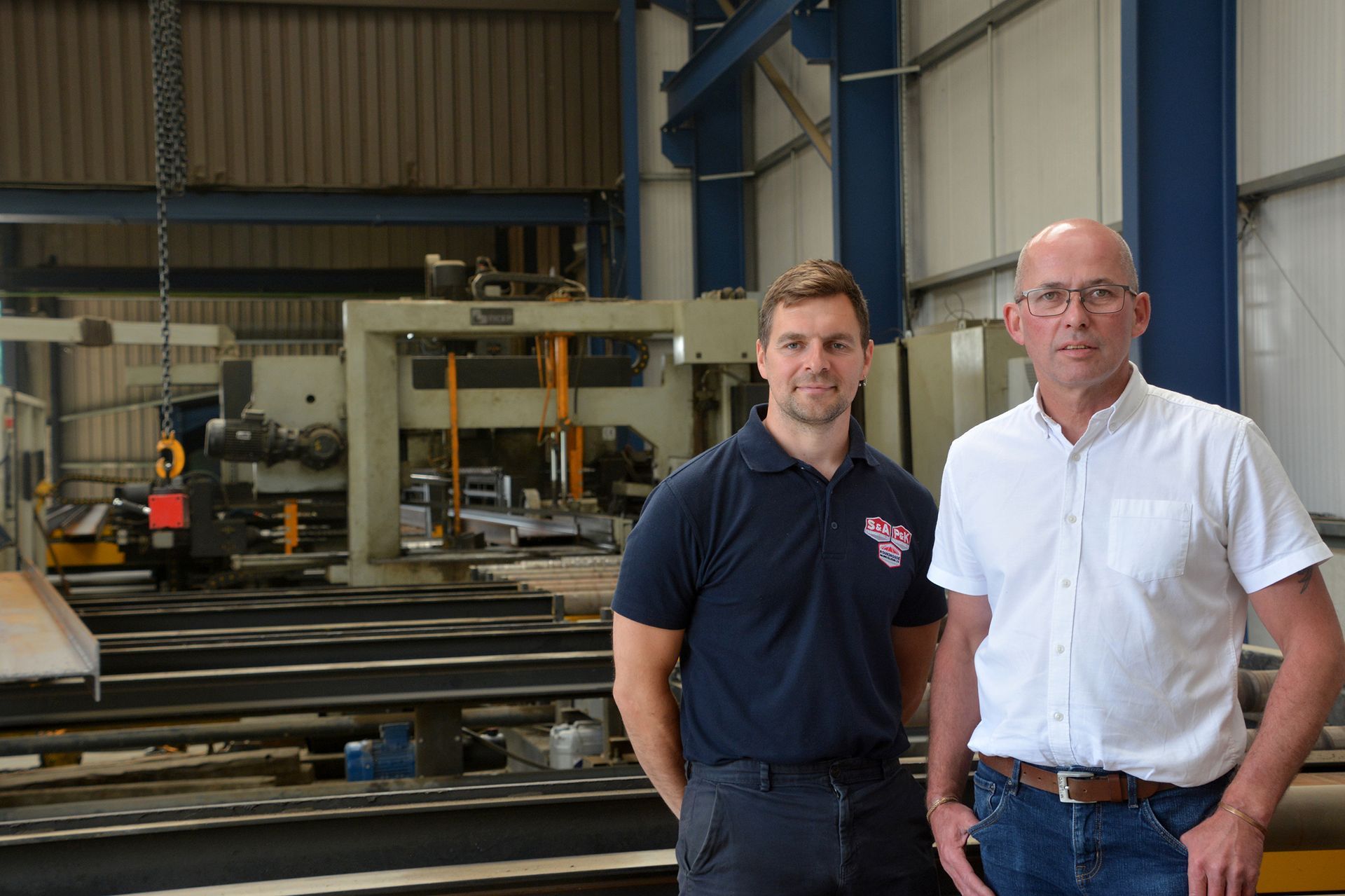
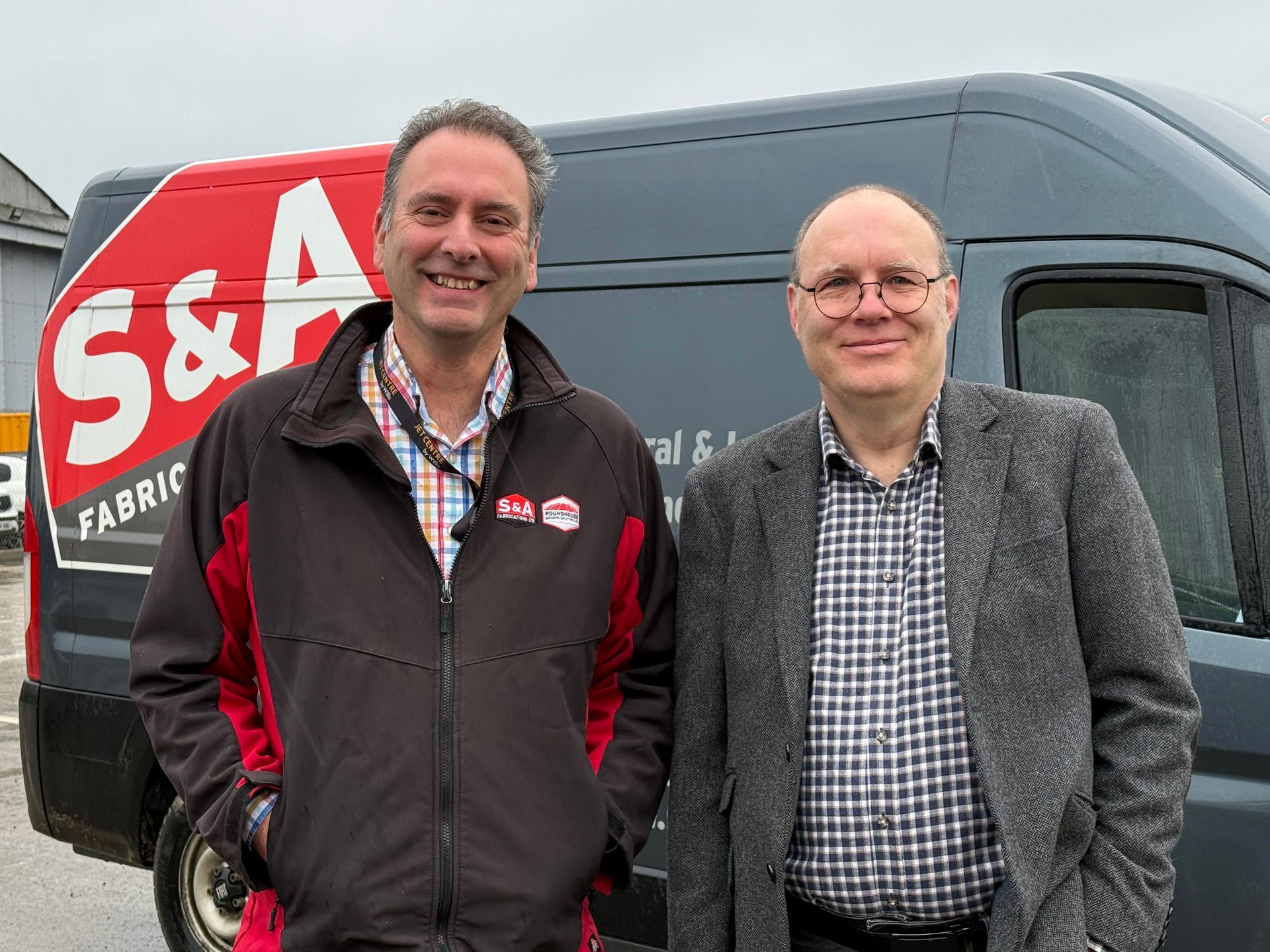
Rob & David are standing next to each other in the factory.

Photo of Rob Brown, Operations Manager and David Longstaff, General Manager and key driver of the 4 day week in the factory.


By Simon Pelly April 26, 2026
Following our recent update on steel market volatility, further changes are now set to impact pricing across the UK from July 2026. These developments are driven by a combination of government policy and ongoing supply-demand imbalance. The UK’s Ongoing Steel Shortfall The UK continues to use significantly more steel than it produces domestically. On average: UK production sits at around 5–6 million tonnes per year Demand typically reaches 9–11 million tonnes per year This gap means the UK relies heavily on imported steel to meet demand—often accounting for around half of total supply. New Import Tariffs and Quotas From 1 July 2026 , new government measures will tighten control over steel imports: Import quotas (the volume allowed in without penalties) will be reduced Any steel imported above these quotas will face a 50% tariff These changes are designed to limit the volume of low-cost steel entering the UK market and to support domestic producers. What This Means for Prices Because the UK cannot meet its own steel demand: Businesses will still need to import steel However, those imports will now be more expensive and more restricted At the same time: UK producers will face less competition from cheaper overseas steel This is likely to contribute to higher overall market prices In short, the cost pressures are coming from both sides—restricted supply and increased import costs. The Wider Context These policy changes are part of a broader strategy to: Protect the UK steel industry from underpriced global competition Maintain domestic steel production capacity Support jobs and long-term supply resilience While these are important long-term goals, the immediate effect is expected to be price increases across the supply chain . What This Means for Our Customers At S&A Fabrications, we are continuing to: Monitor market conditions closely Work with our supply chain to manage cost increases where possible Provide transparent updates so you can plan ahead with confidence Summary To recap: The UK does not produce enough steel to meet demand Imports are becoming more expensive due to new tariffs and tighter quotas This combination is expected to drive steel prices up from July 2026  We’ll continue to keep you informed as the situation develops and will share any further updates as they arise.
By Ali Bell March 23, 2026
If you’ve noticed steel prices creeping up recently, you’re not alone so we thought it was worth explaining what’s going on, in plain English. There’s no panic here, but there are some real factors behind the scenes that are affecting costs across the UK. The biggest one? Energy. Put simply, it costs more to make steel in the UK than it does in much of Europe, largely because electricity prices are higher. And because steel production uses a lot of energy, those costs inevitably feed through into the price of materials.
By Ali Bell March 17, 2026
Agriculture and engineering have traditionally been male-dominated industries, but that is slowly beginning to change. Across the sector, more women are building careers on farms, running rural businesses and working in the industries that support agriculture. At S&A Fabrications, we believe that’s something worth encouraging.
By Ali Bell February 11, 2026
S&A Fabrications is pleased to announce the acquisition of Prism Planning, a well-established planning consultancy operating predominantly across the North East of England.
By Ali Bell November 13, 2025
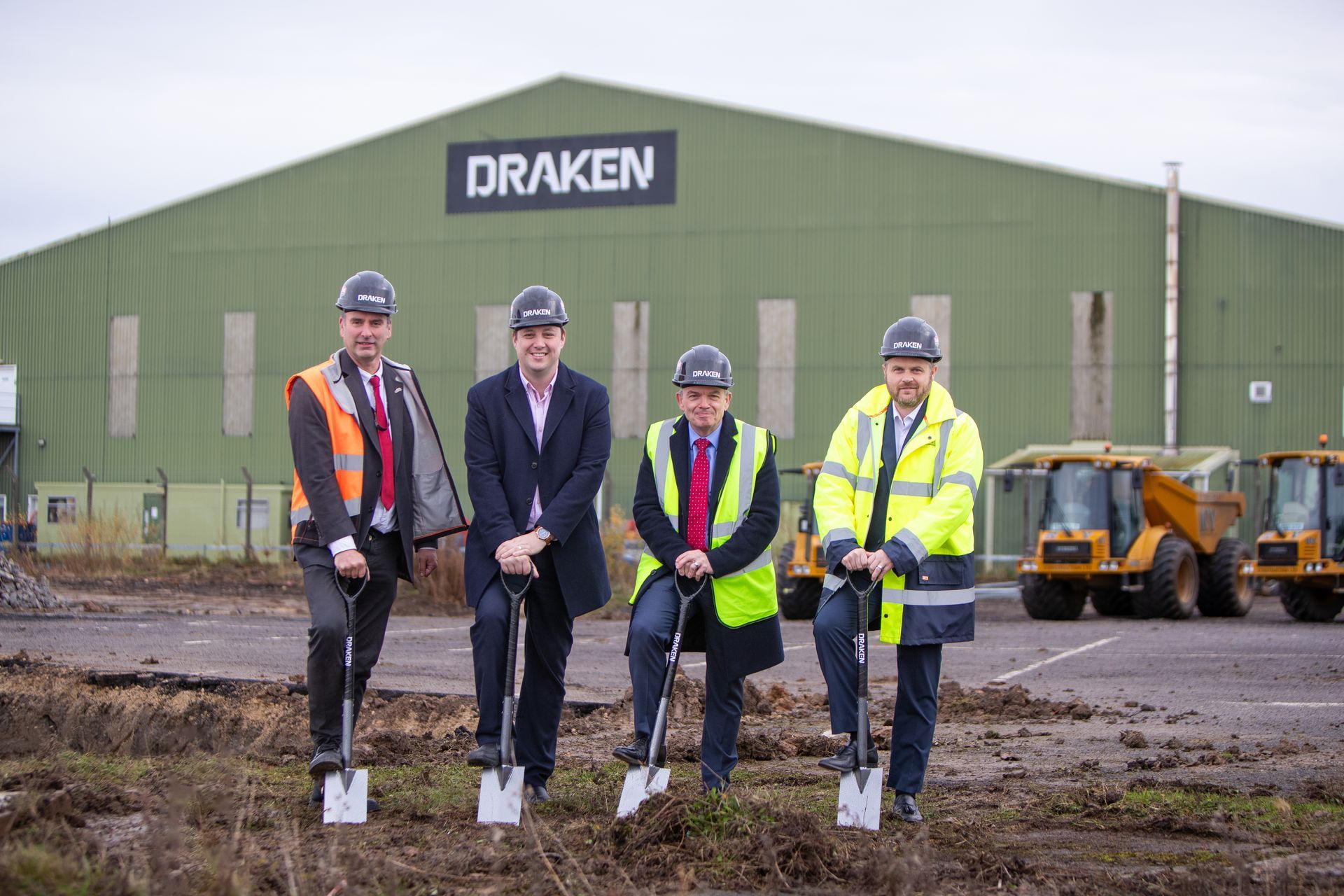
We’re proud to announce that S&A Fabrications has officially broken ground on a brand-new £7 million hangar development for Draken UK at Teesside International Airport .
By Ali Bell September 29, 2025
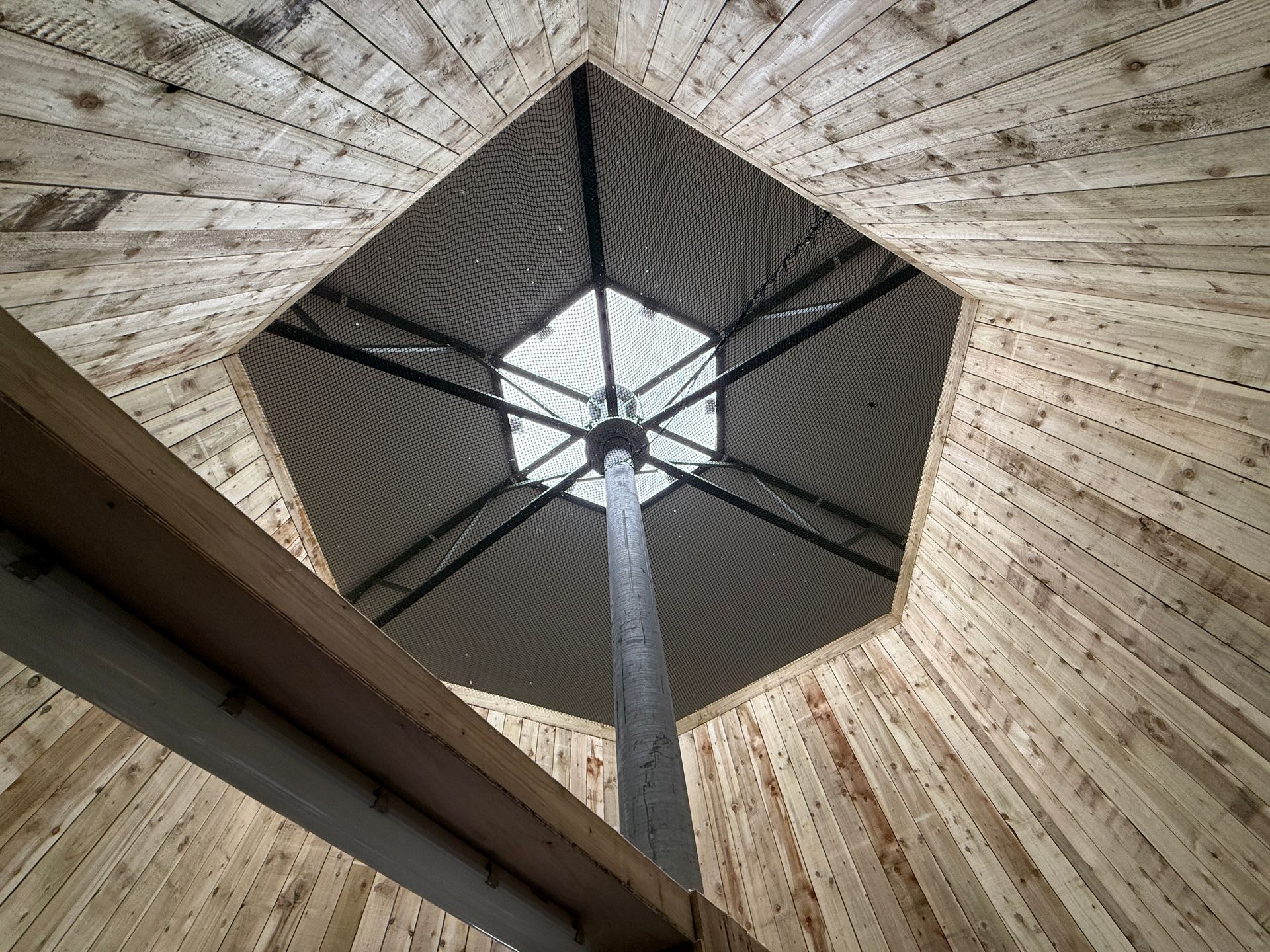
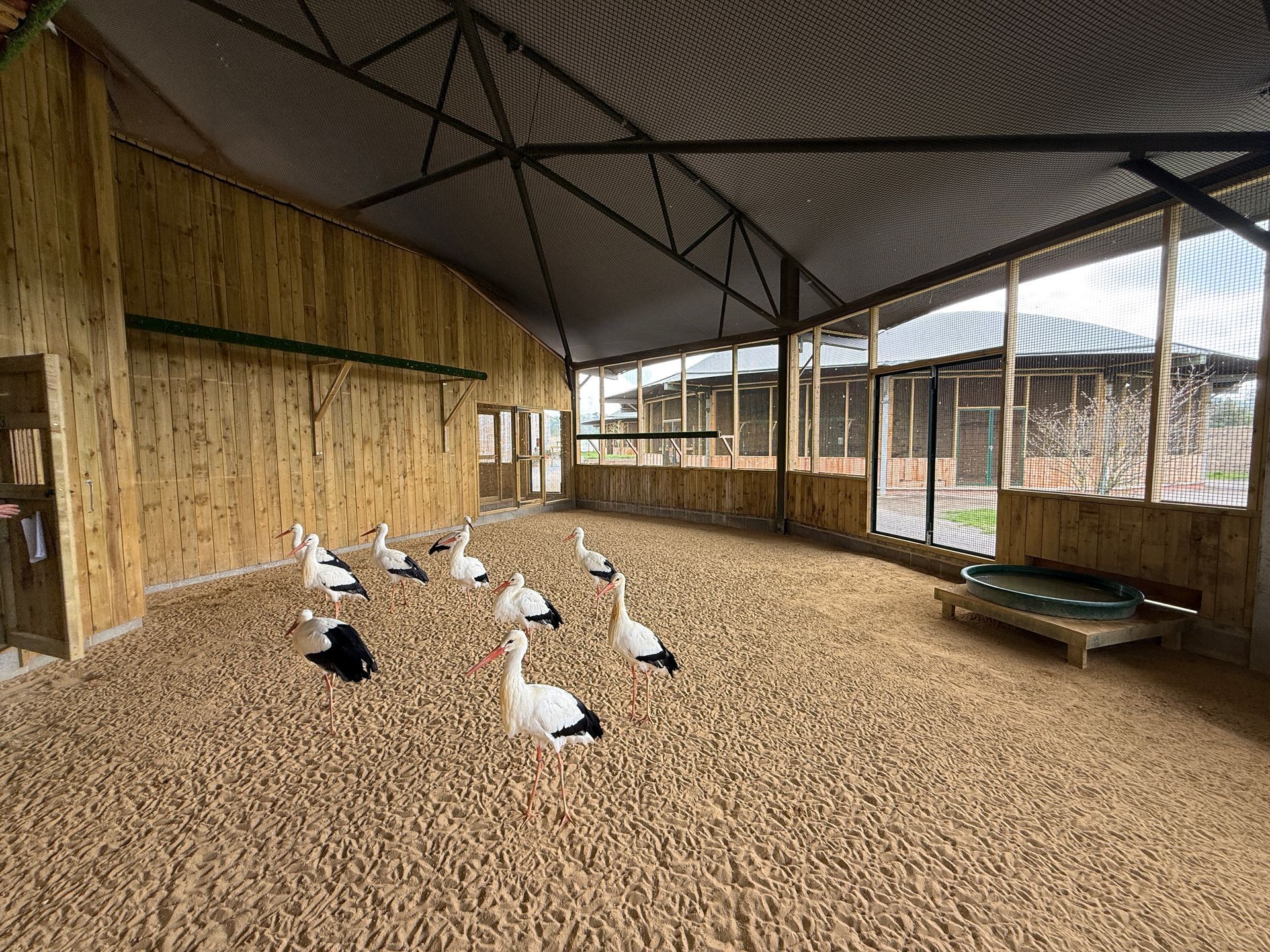
We’re proud to share that S&A Fabrications Ltd has received national recognition at the RIDBA Building Awards 2025 , winning the Livestock Building of the Year Award for our innovative work on the Kynren Aviary Project near Bishop Auckland.
By Ali Bell June 23, 2025
We’re delighted to announce that two of our recent projects have been shortlisted for the RIDBA Building Awards 2025 —a national event that recognises the very best in rural and industrial buildings across the UK.
By Ali Bell June 18, 2025
At S&A Fabrications, we’ve been building Roundhouses for years—mainly for livestock, feed storage, or agricultural machinery. But every now and then, a project comes along that takes us in a completely new direction. That’s exactly what happened when the team from Kynren approached us with an unusual brief: to create custom Roundhouses to house birds of prey for their upcoming live outdoor show.
March 14, 2025
Better Handling, Better Beef: The Key Role of Animal Welfare in Dairy Beef Production
By Ali Bell February 26, 2025
S&A has commenced Construction of Hydrogen Refuelling Station at Teesside International Airport